Brazilian university adapts Andean black corn for Amazonian conditions
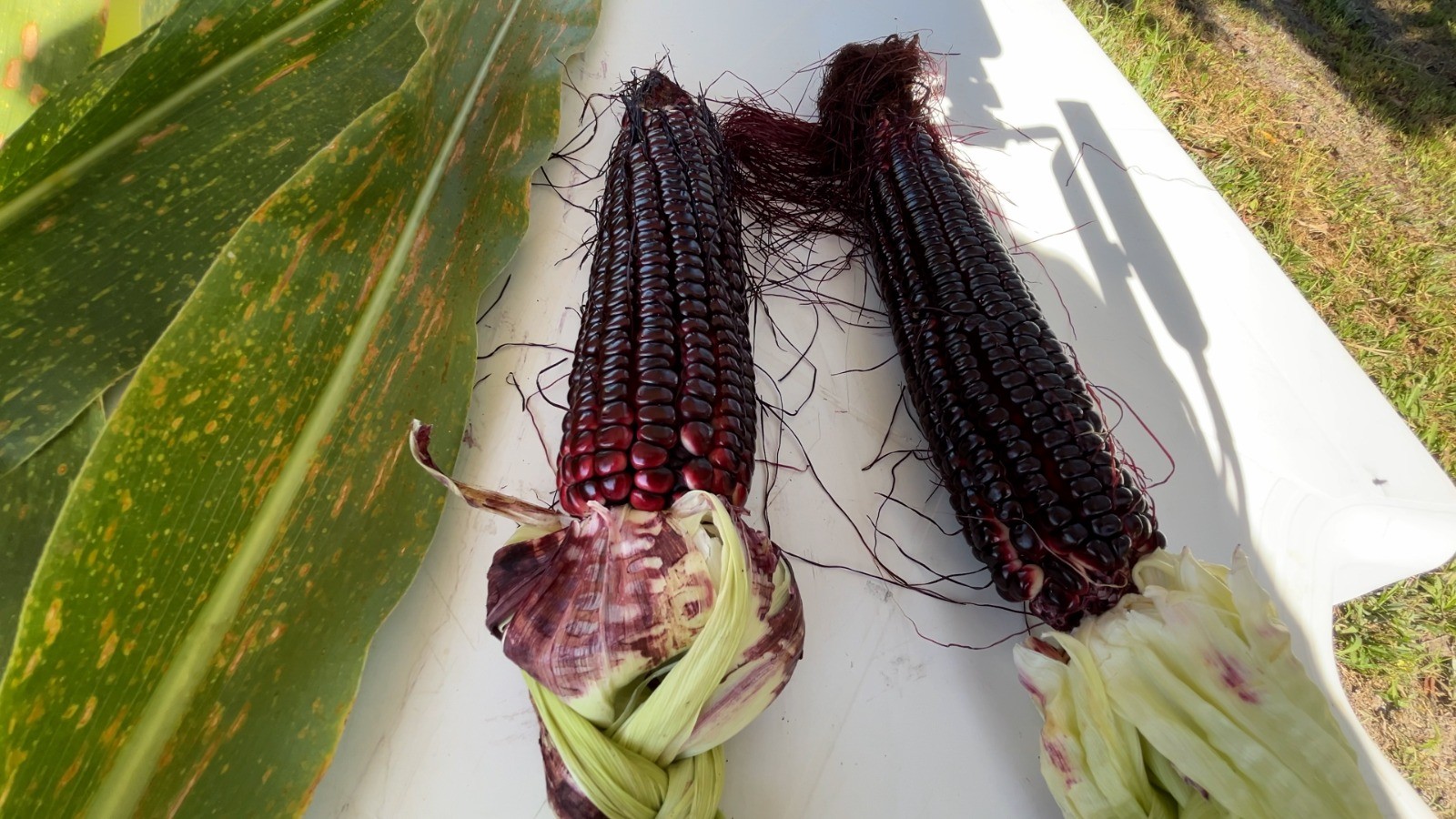
Researchers at the Federal University of Western Pará (Ufopa) in Santarém, Pará, are adapting Andean black corn for cultivation in the Amazon region. The project aims to make black corn, known for its high nutritional value and antioxidant anthocyanins, viable in Santarém's climate. Andean black corn varieties typically struggle to grow naturally in the local weather conditions. To overcome this, scientists are cross-breeding the Andean black corn with a hybrid corn variety already cultivated in the region. This hybridization process leverages the maternal traits of the local hybrid corn to facilitate the black corn's adaptation to the Amazonian environment. The research is currently in its fourth cycle of genetic recombination, where scientists select plants with the most desirable traits each harvest to continue the improvement process. The project also provides practical training for Agronomy students at Ufopa, allowing them to actively participate in the genetic selection stages. For smallholder farmers in western Pará, this adapted black corn offers a new option for diversifying their production. Due to its unique characteristics and higher market value, the new variety is expected to command a better price than conventional corn, potentially opening new market opportunities for local producers.
This research initiative by Ufopa addresses the critical need for agricultural diversification and value-added crops in the Amazon region. By adapting a nutritionally superior crop like black corn, the project could enhance food security and farmer incomes, particularly for family agriculture. The methodology of cross-breeding existing local varieties with those from different climates is a standard approach to agricultural adaptation, aiming to combine desirable traits. From a systemic perspective, such innovations are vital for building resilience in regional food systems against climate variability and market fluctuations. The long-term success will depend on scaling up production, ensuring market access, and supporting farmers through the transition to this new crop, thereby fostering sustainable economic development within the Amazonian context.
AI-generated to prompt reflection — not editorial opinion, not advice, not a statement of fact. How this works.