Brazilian University Launches Digital Dictionary Platform for Indigenous Amazonian Languages
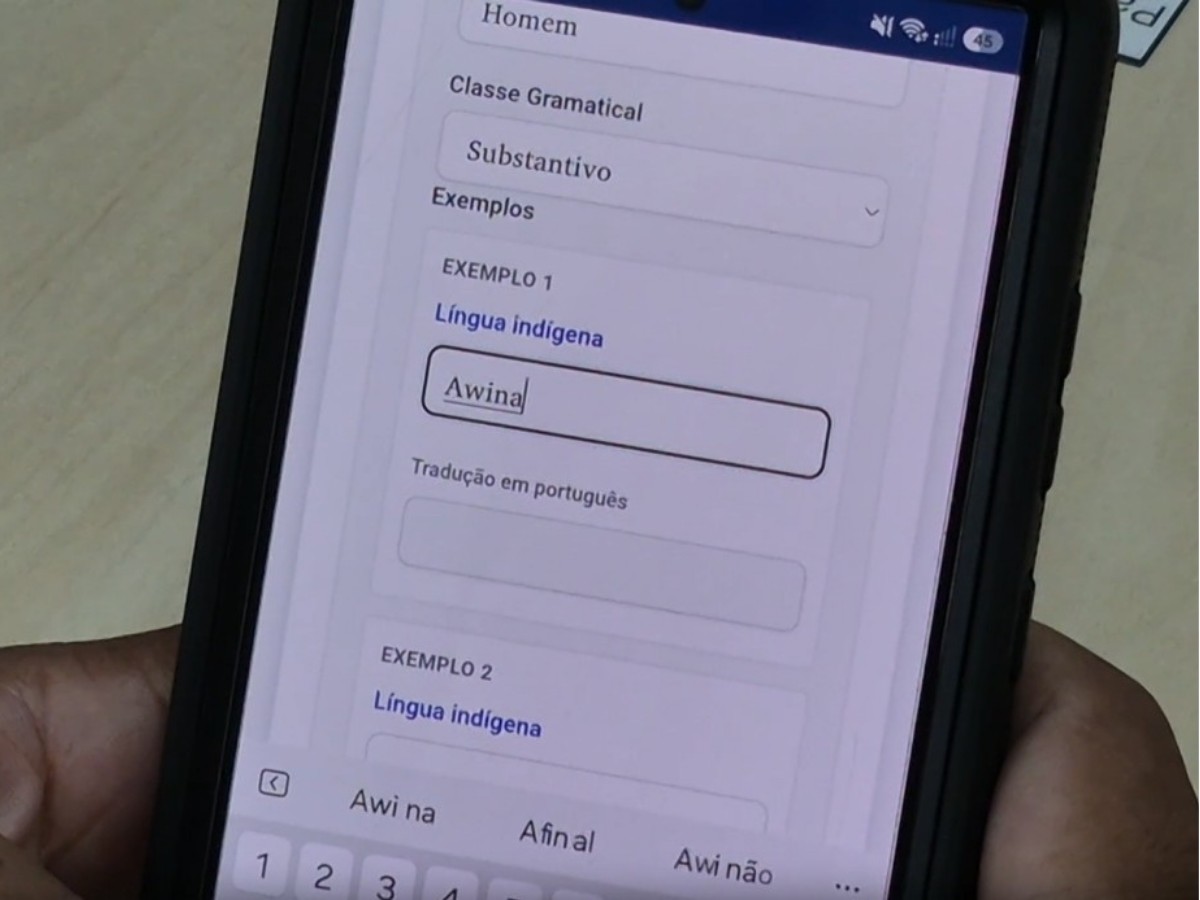
The Federal University of Rondônia (Unir) in Brazil has launched DicWeb Indígena, a digital platform designed to help Amazonian indigenous peoples preserve their languages through technology. This collaborative tool empowers indigenous communities to create their own digital dictionaries, documenting words, audio recordings, translations, and everyday usage examples. Unlike traditional dictionaries, the content is generated and curated by indigenous individuals, granting them autonomy in recording and organizing their languages' vocabulary. Quesler Fagundes Camargos, the project coordinator, stated that the platform enhances access to linguistic knowledge produced by these communities, thereby contributing to the preservation and strengthening of Amazonian languages. Currently, DicWeb Indígena hosts over 4,500 cataloged words and has 12 dictionaries in development. The platform serves as a digital archive, promoting collective authorship and helping to keep linguistic traditions alive, some of which are at risk of extinction. An example of its use is the word Tapi'ira, meaning tapir in the Kawahiwa-Amondawa language. Developed as a Progressive Web Application (PWA), DicWeb Indígena can function offline after an initial internet connection, addressing the challenge of limited connectivity in remote villages. This allows teachers, students, and researchers to access and input information without constant internet dependence. The platform is also intended for educational use within indigenous communities, aiding in the training of indigenous teachers and encouraging students to write in their native languages, thereby increasing their digital presence. Project vice-coordinator, Professor Edineia Aparecida Isidoro, emphasized its role as a potent space for linguistic and pedagogical training, stimulating students to value and write in their own languages, and inserting them into the digital realm.
The DicWeb Indígena platform represents a significant technological intervention aimed at linguistic preservation within indigenous Amazonian communities. By shifting the paradigm of dictionary creation from external researchers to community members, it fosters self-determination and cultural ownership over linguistic heritage. The platform's offline functionality is a critical design choice that acknowledges and mitigates the digital divide often experienced by remote populations. This approach not only safeguards endangered languages but also empowers communities by providing them with tools for self-representation and education in the digital age. Future initiatives could explore integration with broader digital literacy programs and inter-community knowledge sharing to further amplify its impact and ensure the long-term sustainability of these linguistic resources.
AI-generated to prompt reflection — not editorial opinion, not advice, not a statement of fact. How this works.