Brazilian Venomous Fish Offers Insights into Immune System and Inflammation
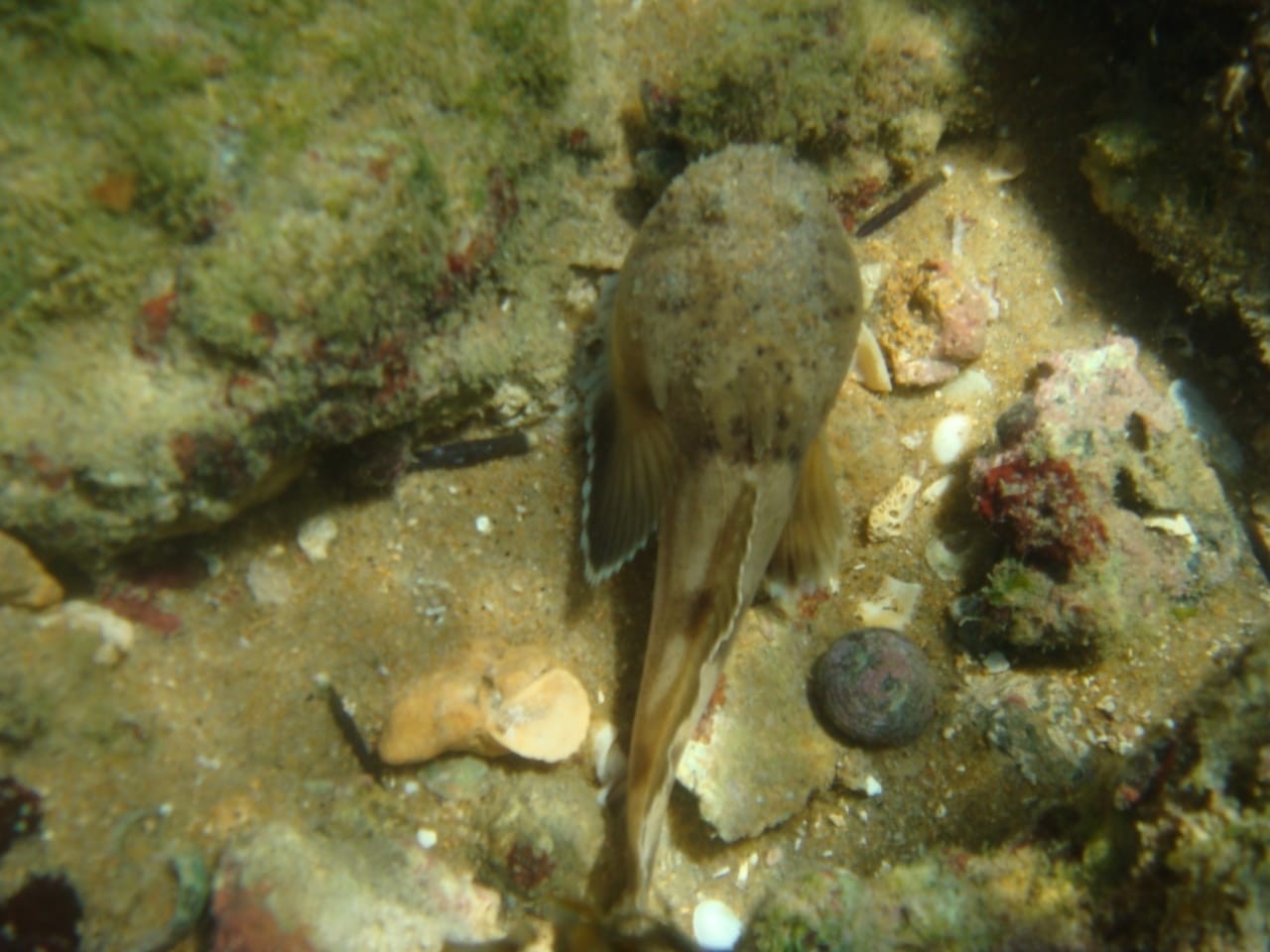
The niquim (Thalassophryne nattereri), a small, venomous fish found primarily in Northern and Northeastern Brazil, is aiding scientists in understanding the complexities of the immune system and inflammation. This fish, often found partially buried in sand, is known for the intense pain it causes to fishermen and swimmers. Researchers at the Butantan Institute began studying the niquim in 1996 to investigate why its venom produced distinct lesions compared to other venomous animal encounters. Studies revealed that the niquim's venom triggers a potent inflammatory response, leading to severe pain, swelling, and delayed wound healing. Biologist Airton Cesar Silva explained that the venom's unique mechanism causes severe ischemia and disorganizes the affected tissue's extracellular matrix, preventing immune cells from reaching the wound. This peculiar action accounts for the intense necrosis and significant healing difficulties observed in accident victims. During their research, scientists identified novel proteins in the fish's venom, including Natterins and the lectin Nattectin, thereby expanding knowledge of its components and effects. The scientific focus has since shifted from merely studying the envenomation to exploring the venom's potential as a tool for medical research. These identified proteins are now used as models to investigate inflammatory mechanisms and immune system functions, transforming a public health issue into a source of novel immunological insights. Researchers discovered that proteins similar to Natterins are present in hundreds of animal species across various groups, suggesting this protein family is ancient and may have functions beyond envenomation. Genes encoding these Natterin-like proteins have been found in diverse organisms like corals, insects, fungi, and sponges, indicating their conservation over millions of years. Despite its dangerous reputation, the niquim is not aggressive and accidents typically occur when individuals step on it unknowingly due to its camouflage on sandy or muddy seabeds in beaches, estuaries, and mangroves. The niquim, also known as stonefish or frogmouth, contributes valuable scientific information about inflammatory processes and immune system operation.
The study of the niquim fish venom demonstrates how understanding a local public health challenge, such as accidental envenomation, can yield significant advancements in fundamental biological research. By isolating and characterizing novel proteins like Natterins, scientists are leveraging natural toxins as molecular tools to probe complex biological systems, specifically inflammation and immunity. The discovery of ancient, conserved protein families across diverse species highlights evolutionary interconnectedness and suggests that mechanisms evolved for defense or predation may have broader physiological roles. This research trajectory exemplifies a shift from viewing venoms solely as threats to recognizing their potential as sources of therapeutic leads and fundamental biological insights, offering a systems-level perspective on evolution and molecular function.
AI-generated to prompt reflection — not editorial opinion, not advice, not a statement of fact. How this works.