Brazilian village Conceição de Ibitipoca vies for UN's 'Best Tourism Village' award
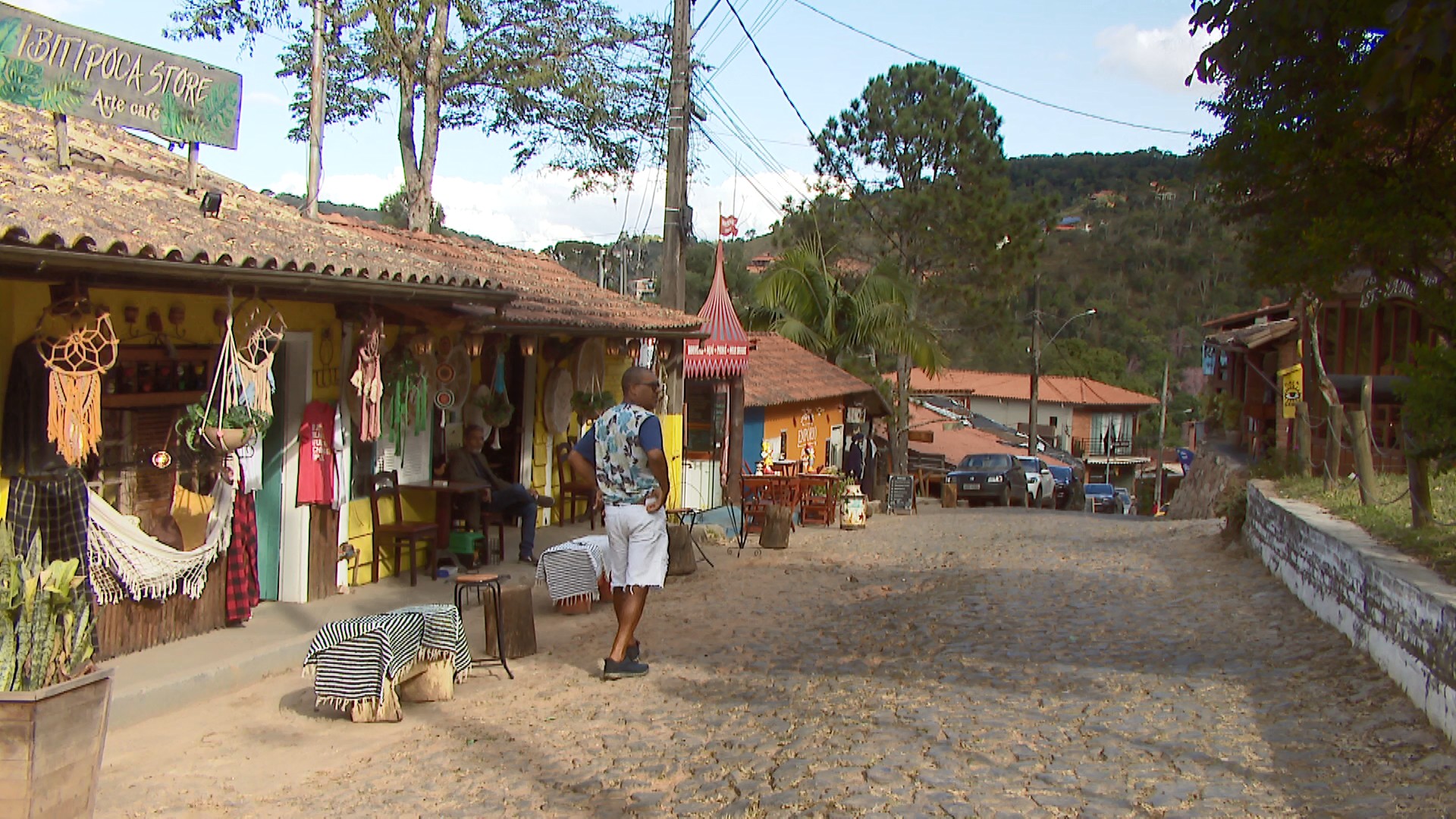
Conceição de Ibitipoca, a district in Lima Duarte, Minas Gerais, is among seven Brazilian destinations competing for the UN Tourism's 'Best Tourism Villages' global title. This initiative recognizes rural communities that leverage tourism to preserve cultural and natural heritage, foster sustainability, and promote local development. The village, known for its natural beauty, historical sites, and local culture, was selected by the Ministry of Tourism from ten national entries. Other Brazilian contenders include villages from Santa Catarina, São Paulo, Bahia, and Rio Grande do Sul. The 'Best Tourism Villages' program, launched by UN Tourism in 2021, evaluates destinations based on criteria such as cultural and natural resource preservation, environmental, economic, and social sustainability, and community benefit from tourism. Conceição de Ibitipoca, with just over a thousand residents, attracted nearly 100,000 visitors in 2025, highlighting its natural attractions like the Serra do Ibitipoca and the Ibitipoca State Park, featuring sites like Janela do Céu. Its historical significance is evident in its colonial architecture, centuries-old churches, and remnants of gold mining. Cultural traditions, including religious festivals and local music, are also actively maintained. The results will be announced in December during a UN Tourism event in Buenos Aires, Argentina, where Conceição de Ibitipoca will compete against 261 other villages worldwide. This marks Ibitipoca's second attempt at the award, having participated last year without being selected.
The 'Best Tourism Villages' initiative by UN Tourism aims to spotlight rural destinations prioritizing heritage preservation and sustainable development. While this competition offers global visibility and potential economic benefits for villages like Conceição de Ibitipoca, it also highlights the inherent tension between mass tourism and the preservation of local character and natural resources. The selection criteria, emphasizing sustainability and community benefit, suggest a shift towards valuing authentic experiences and responsible travel. However, the long-term success of such initiatives hinges on ensuring that increased tourism does not overwhelm the very attributes that make these villages attractive, potentially leading to environmental degradation or cultural commodification. Future iterations of this program could explore mechanisms to manage visitor flow and ensure equitable distribution of tourism revenue within the local community.
AI-generated to prompt reflection — not editorial opinion, not advice, not a statement of fact. How this works.