Brazilian Wine Route: How Grape Cultivation Fueled a Century-Old Tradition
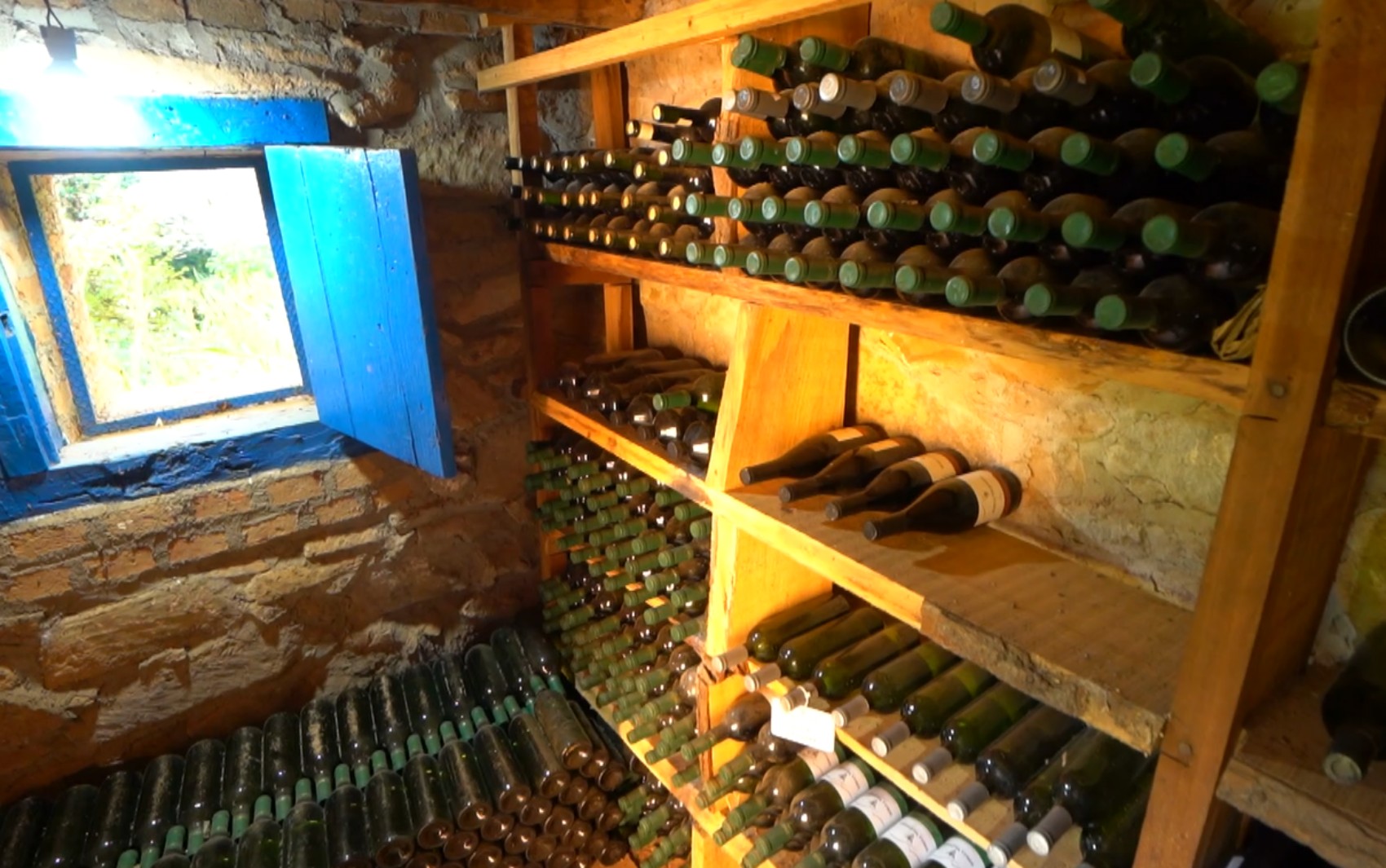
A special series, 'Cartas de Vinho,' highlights the enduring legacy of immigrants in shaping Brazil's wine industry, particularly in the interior of São Paulo and the South of Minas Gerais. The story of Brazilian viticulture is deeply intertwined with immigration, railway expansion, and adaptation to diverse terrains. Early attempts at grape cultivation in the 16th century near Baixada Santista were unsuccessful, but the industry gained momentum between the 19th and 20th centuries as Portuguese, Italian, and Spanish immigrants, facilitated by railway development, moved inland into São Paulo.
Regions like Jundiaí and São Roque became early centers for commercial wine production, with Vinhedo transitioning from coffee to grape cultivation, a change symbolized on its municipal flag. The influence of Italian immigration was significant, leading to the first Grape Festival in Vinhedo in 1948. As immigrants spread further, grape cultivation expanded into Minas Gerais, with Andradas emerging as a key hub and earning the title of Minas Gerais's wine capital in 2025. Historical records from the 1950s and accounts of pioneers like José Francisco de Oliveira underscore Andradas's past viticultural strength, with an estimated 70 wineries operating until the 1960s and 1970s.
A pivotal development in modern viticulture is the double-pruning technique, originating in Caldas, South of Minas. This method enables winter harvests and significantly enhances the production of high-quality wines, revolutionizing the industry. This innovation has even spurred a reverse flow of knowledge, with techniques developed in Minas Gerais being applied back in São Paulo regions. The Basso family's vineyard in Andradas, established in 1888, preserves centuries-old equipment and documents, illustrating the long-standing commitment to winemaking. Historically, wine was transported in animal-drawn carts to Espírito Santo do Pinhal before being shipped by train to São Paulo for distribution and bottling.
The narrative of Brazilian wine production showcases a compelling interplay of immigration, infrastructure development, and agricultural innovation. The expansion from coastal areas to the interior, driven by railway networks, facilitated the establishment of distinct regional wine cultures. The adoption of techniques like double pruning demonstrates an adaptive capacity within the industry, allowing for enhanced quality and production cycles. Future developments may focus on further optimizing these techniques, leveraging Brazil's diverse microclimates, and potentially integrating advanced agricultural technologies to enhance efficiency and sustainability. The historical trajectory suggests a continuous evolution, driven by both tradition and technological advancement, positioning Brazil to further solidify its place in the global wine market.
AI-generated to prompt reflection — not editorial opinion, not advice, not a statement of fact. How this works.