Brazilian Winery Offers Grape Harvest and Wine Tasting Experiences
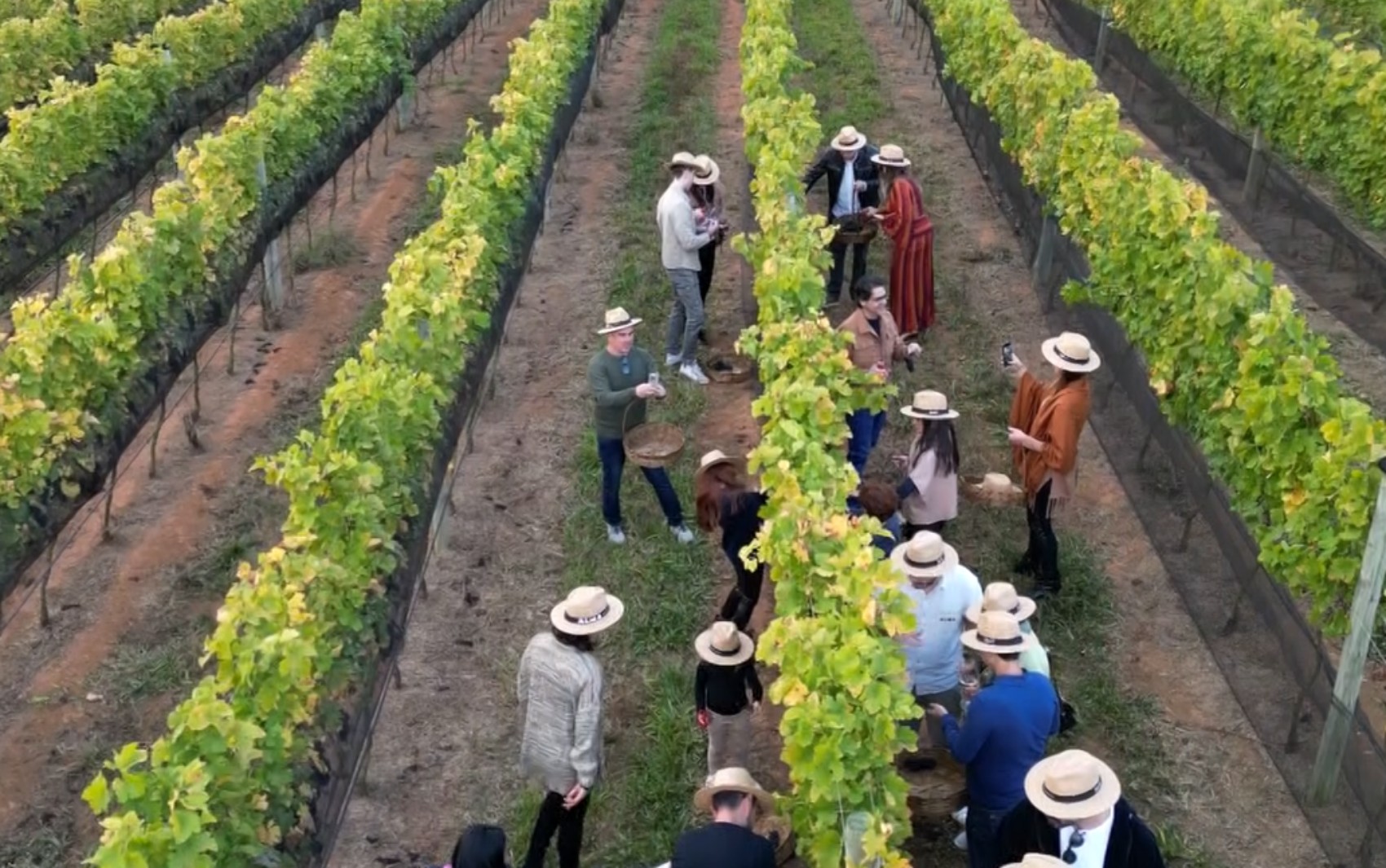
A winery in Bom Sucesso, Minas Gerais, Brazil, is attracting visitors with immersive grape harvest and wine tasting experiences during the 'vindima' season. This period, marking the grape harvest, is a crucial stage in wine production. Participants not only observe the vineyard work but also learn about cultivation techniques, taste wines produced on-site, and witness the transformation of grapes into wine. The initiative is part of a special series called 'Cartas de Vinho,' highlighting the influence of immigrant legacies on contemporary viticulture. The series emphasizes the 'double pruning' technique, which allows for winter harvests and high-quality wine production, establishing Minas Gerais and São Paulo as significant wine and wine tourism hubs. The winery, established in 2020 with 15 hectares of vineyards, offers seven labels including red, rosé, and white wines. Visitors are welcomed by a sommelier and engage in vineyard tours, learning about grape varieties, winemaking methods, and participating in tastings. The 'vindima' experience includes a symbolic harvest accompanied by local delicacies and aims to educate visitors about the entire wine-making process, from vine to glass. This event fosters family bonding and appreciation for local wine production, drawing participants from various cities in Minas Gerais.
This initiative leverages the growing global trend of experiential tourism, specifically focusing on enotourism, to enhance the visibility and economic viability of Brazilian wine production. By offering direct engagement with the agricultural and production processes, the winery aims to build consumer loyalty and educate the public about the quality and potential of wines produced in the region, particularly those utilizing advanced techniques like double pruning. This approach not only diversifies revenue streams beyond direct sales but also cultivates a deeper appreciation for the craft and origin of the wine. Such strategies are crucial for developing regional wine industries in emerging markets, positioning them competitively against established international producers by highlighting unique terroirs and innovative viticultural practices. The success of these experiences could inspire similar ventures, further solidifying Brazil's presence in the global wine market over the next decade.
AI-generated to prompt reflection — not editorial opinion, not advice, not a statement of fact. How this works.