Brazilian Woman Fatally Stabbed in Barcelona by Partner; Children Present
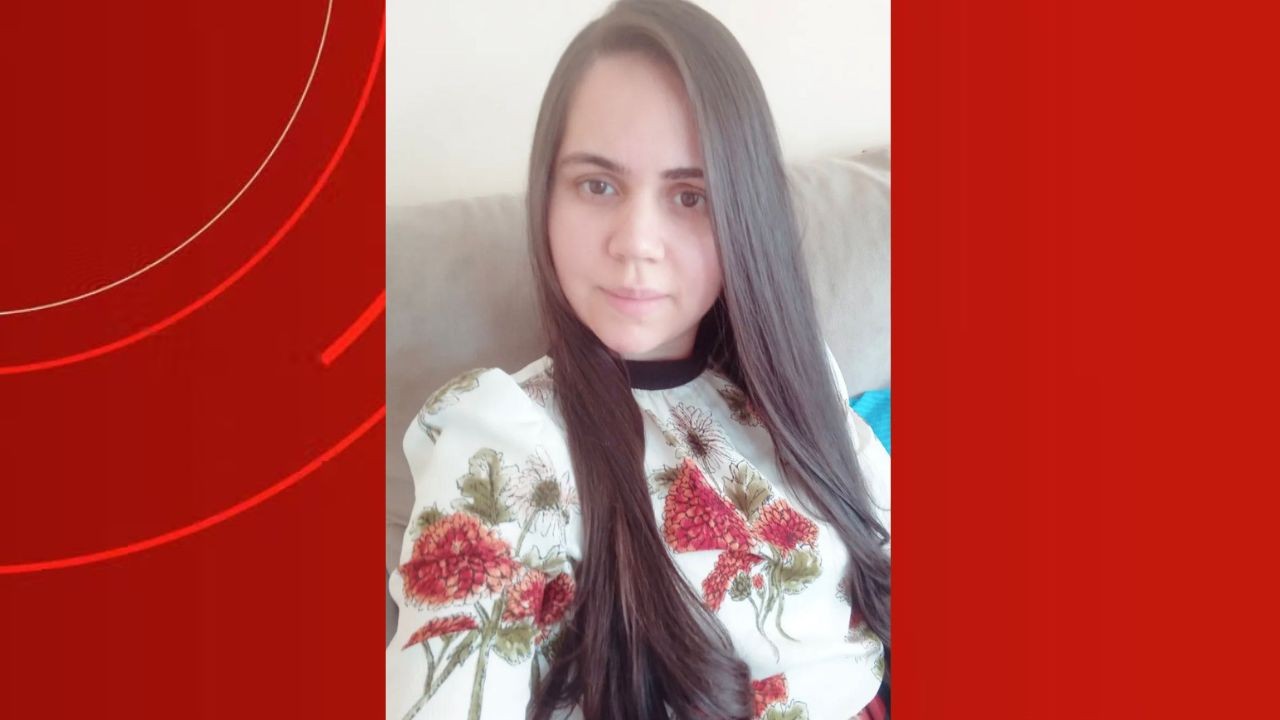
Camila Kellem da Silva Caldas, a 34-year-old Brazilian woman from Amazonas, was fatally stabbed by her partner in Barcelona, Spain. She had been living in the city for approximately 10 years and held a degree in Business Administration. Her brother, Waldson Caldas, stated that she maintained frequent contact with family and friends in Brazil and had built a life for herself in Spain. Camila resided with her partner, who is considered the main suspect, and their two children, aged 4 and 8. The couple reportedly met about a decade ago, after Camila had already moved to Spain. The crime occurred on Tuesday, the 28th, in the Sant Martí district of Barcelona. According to reports, the suspect parked a van outside their building, entered their home, and attacked Camila with multiple stab wounds. The couple's children were reportedly present at the scene during the attack. Following the incident, the suspect fled but was later arrested by Catalan police, who confirmed the arrest of a man suspected in the "violent death of a woman." The Spanish government's delegation against gender violence is investigating the case as gender-based violence. The President of Catalonia, Salvador Illa, condemned the crime, emphasizing the need for a firm response to violence against women. Camila's family is experiencing immense grief and is seeking justice for her death, with her parents traveling to Spain to handle the repatriation of her body. The family is also seeking assistance from the Brazilian Embassy in Spain and has reached out to the Brazilian Ministry of Foreign Affairs for support with the costs and procedures involved in bringing her remains back to Brazil.
This tragic event highlights the critical issue of gender-based violence, which tragically occurred in the presence of young children. The investigation into gender violence underscores the systemic challenges in protecting individuals within domestic relationships. The perpetrator's alleged actions, if confirmed, point to a severe breakdown of personal responsibility and adherence to societal norms against violence. The family's efforts to repatriate the victim's body and seek justice emphasize the complex legal and logistical hurdles survivors and their families face, even when dealing with international jurisdictions. Moving forward, a focus on robust preventative measures, accessible support systems for victims, and effective legal frameworks to address gender-based violence globally will be crucial in mitigating such devastating outcomes.
AI-generated to prompt reflection — not editorial opinion, not advice, not a statement of fact. How this works.