Brazilian Woman Fights for Paternity Recognition After 50 Years Without Father's Name
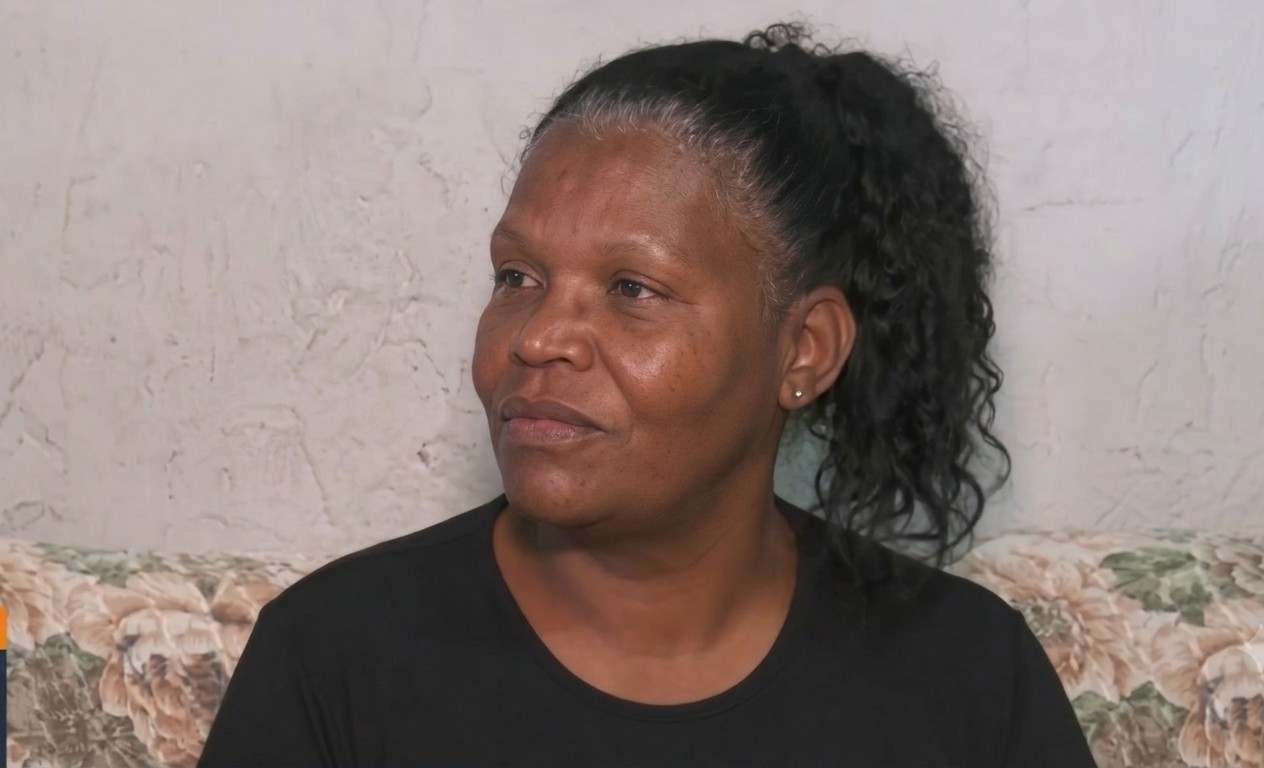
Maria Aparecida Pereira, a kitchen helper from Piracicaba, Brazil, lived over 50 years without her father's name on her national identity card. Adopted in childhood, her birth certificate also lacked the names of her biological parents. After seeking assistance from the Public Defender's Office of São Paulo (DPE-SP), she is now on track to have her documents updated. Pereira expressed joy at the prospect of knowing her biological origins, stating, "It's good to know who you really belong to." She explained that she adopted the surname 'Pereira' through marriage, as her original documents lacked any surname. The financial burden of DNA testing was a barrier, which the Public Defender's Office is now helping to overcome. Pereira is among more than 2,300 individuals in Piracicaba with incomplete filiation records. The Piracicaba and Campinas regions combined have nearly 15,000 people in similar situations. During the process, Pereira also discovered a significant error: her birth certificate incorrectly listed her sex as male. She is optimistic about resolving these issues and potentially changing her name by the end of the year. The "Meu Pai Tem Nome" (My Father Has a Name) campaign, organized by the Public Defender's Office, aims to address these issues by offering free services for paternity recognition, family link investigations, and civil registry regularization. In the Campinas region alone, over 10,600 birth records have lacked a father's name since 2016, with Campinas city accounting for 7,571 of those cases.
This case highlights systemic challenges in civil registration and paternity acknowledgment within Brazil, particularly impacting vulnerable populations. The Public Defender's Office's "Meu Pai Tem Nome" initiative addresses a critical gap, enabling individuals to access fundamental rights like inheritance and social security benefits, which are contingent on accurate legal documentation. The dual issue of missing paternity and gender misregistration in Maria Aparecida Pereira's case underscores potential procedural flaws in vital records. Moving forward, leveraging AI and blockchain technology could streamline identity verification and reduce errors, ensuring more equitable access to legal personhood and its associated rights, thereby mitigating the long-term social and economic disadvantages faced by those with incomplete vital records.
AI-generated to prompt reflection — not editorial opinion, not advice, not a statement of fact. How this works.