Brazilian woman flees French wildfires, expresses uncertainty about return
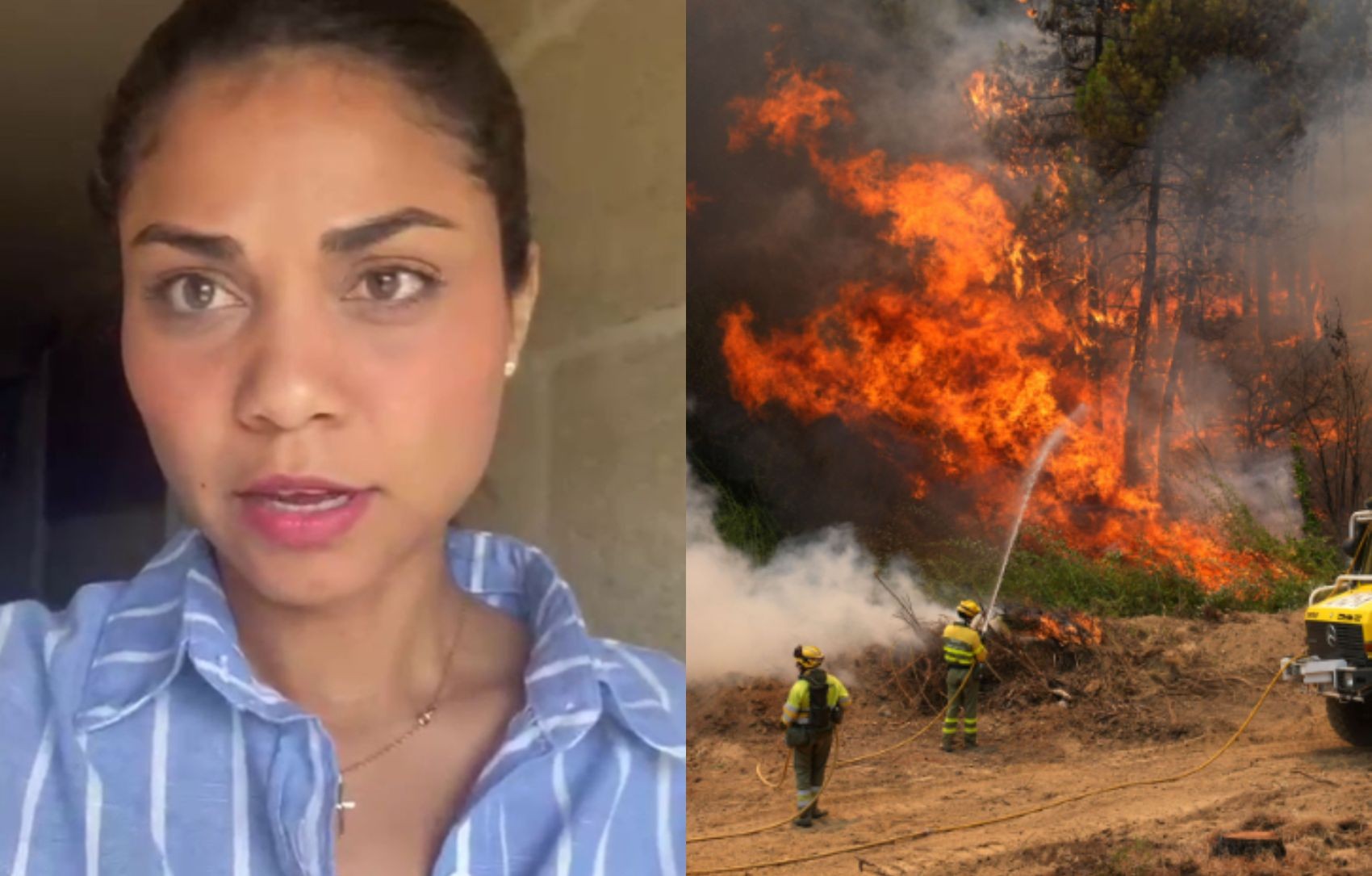
Shayna Mendonça, a 34-year-old woman from Sergipe, Brazil, has been forced to leave her home in Bordeaux, France, due to severe wildfires affecting the region. She is among over 325,000 people displaced by the massive blazes impacting both Spain and France. Mendonça, who has lived in France for six years, reported significant smoke and fire outbreaks in Bordeaux, leading to deteriorating air quality. Although the situation in the city has somewhat stabilized and some individuals are being housed in shelters, her family's need to protect an elderly relative with bronchitis necessitated their temporary relocation. They have moved to Escoussans, approximately 40 kilometers from Bordeaux, to stay with relatives. Mendonça highlighted the difficulties faced by those without personal vehicles or distant family, as they struggle to evacuate the affected areas by car, train, or plane. Despite the personal disruption, she plans to return to Bordeaux this week to volunteer with a project assisting displaced individuals. The wildfires in southwestern France and central Spain have caused widespread destruction, though fire activity slightly decreased on Monday, July 27th, due to more favorable weather conditions. However, authorities anticipate a new heatwave starting Wednesday, July 29th. Temperatures in the affected French region reached 32.2°C, significantly above the July average. Spain declared a state of emergency on Friday, July 24th, with three active fire fronts in the mountains northwest of Madrid, where fires have consumed up to 25,000 hectares.
The widespread wildfires in France and Spain, exacerbated by high temperatures and potentially intensified by climate change, have triggered significant displacement and public health concerns. The event underscores the vulnerability of communities to extreme weather events, particularly in densely populated areas or those with inadequate infrastructure for rapid evacuation and support. The reliance on temporary shelters and the challenges faced by those without personal resources highlight systemic issues in disaster preparedness and response. Looking ahead, the increasing frequency and intensity of such events necessitate a reevaluation of urban planning, resource allocation for firefighting and emergency services, and the development of more resilient infrastructure to mitigate future impacts on populations and ecosystems.
AI-generated to prompt reflection — not editorial opinion, not advice, not a statement of fact. How this works.