Brazilian Woman Rescued After 55 Years of Enslavement by Wealthy Family
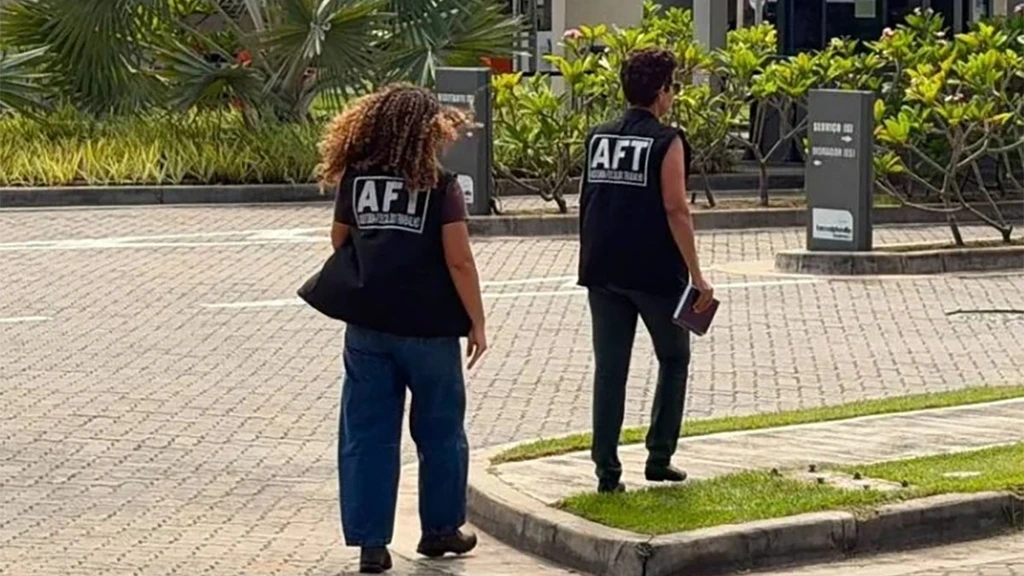
A 62-year-old Brazilian woman has been freed after enduring 55 years of enslavement within the same wealthy family across three generations. The harrowing situation came to light following an anonymous tip. The woman arrived in 1971 at the age of seven with her mother and younger sister to live with a prosperous family near Fortaleza in northeastern Brazil. Her mother reportedly 'gave' her to a daughter of the family's matriarch before her own death. The younger sister also remained with the family but eventually left after an argument, according to the family's account.
From childhood, the victim was made to do laundry and house cleaning. When her 'mistress' married and had children in 1982, the victim moved with them, becoming responsible for their household and the care of their three children. In 2014, she was transferred again to another family branch, where she cared for their two children, who were great-grandchildren of the original family. Her workday began around 4:30 AM, involving preparing breakfast, assisting children with school, cooking, and general housekeeping. The woman was illiterate, lacked a work contract, a bank account, friends, or a partner, and never went out alone or contacted her own family. Labor inspector Maria Neuzeli described her life as "a kind of prison" with no private life.
The family has reached an agreement with the Public Prosecutor's Office, requiring them to pay the woman 50,000 Brazilian reals (approximately €8,500), purchase a fully furnished home for her, and continue paying social security contributions until her retirement. She retains the right to pursue further legal claims. The family is also under investigation for fraud, as the woman received a monthly poverty program benefit of 600 reals (about €95), reportedly applied for with the employer's assistance, falsely stating she was single and unemployed. Authorities are investigating potential embezzlement of public funds. Despite the revelations, the woman remains with the family, deemed too dependent on her employers for an abrupt departure to be beneficial. She is receiving psychosocial support to develop independent living skills and re-establish contact with her own family. Such exploitation of domestic workers, often poor women of color, is a recurring issue in Brazil.
This case highlights a severe failure in state and societal oversight mechanisms designed to protect vulnerable populations from exploitation. The prolonged enslavement, spanning over five decades and involving multiple generations of a family, suggests systemic deficiencies in identifying and intervening in human trafficking and forced labor situations. The victim's illiteracy, isolation, and financial dependence were exploited, indicating a lack of access to basic rights and social support networks. The family's alleged fraud in claiming government benefits for the victim while withholding her labor underscores a complex web of exploitation. While the recent agreement offers some financial and housing restitution, the victim's continued cohabitation with her enslavers, albeit with support, raises questions about the long-term efficacy of rehabilitation and true autonomy. This situation demands a critical examination of labor laws, social welfare programs, and the enforcement of anti-trafficking legislation to prevent future occurrences, particularly for marginalized groups who are disproportionately at risk.
AI-generated to prompt reflection — not editorial opinion, not advice, not a statement of fact. How this works.