Brazilian woman sanctioned by US arrested in Brazil for drug trafficking links
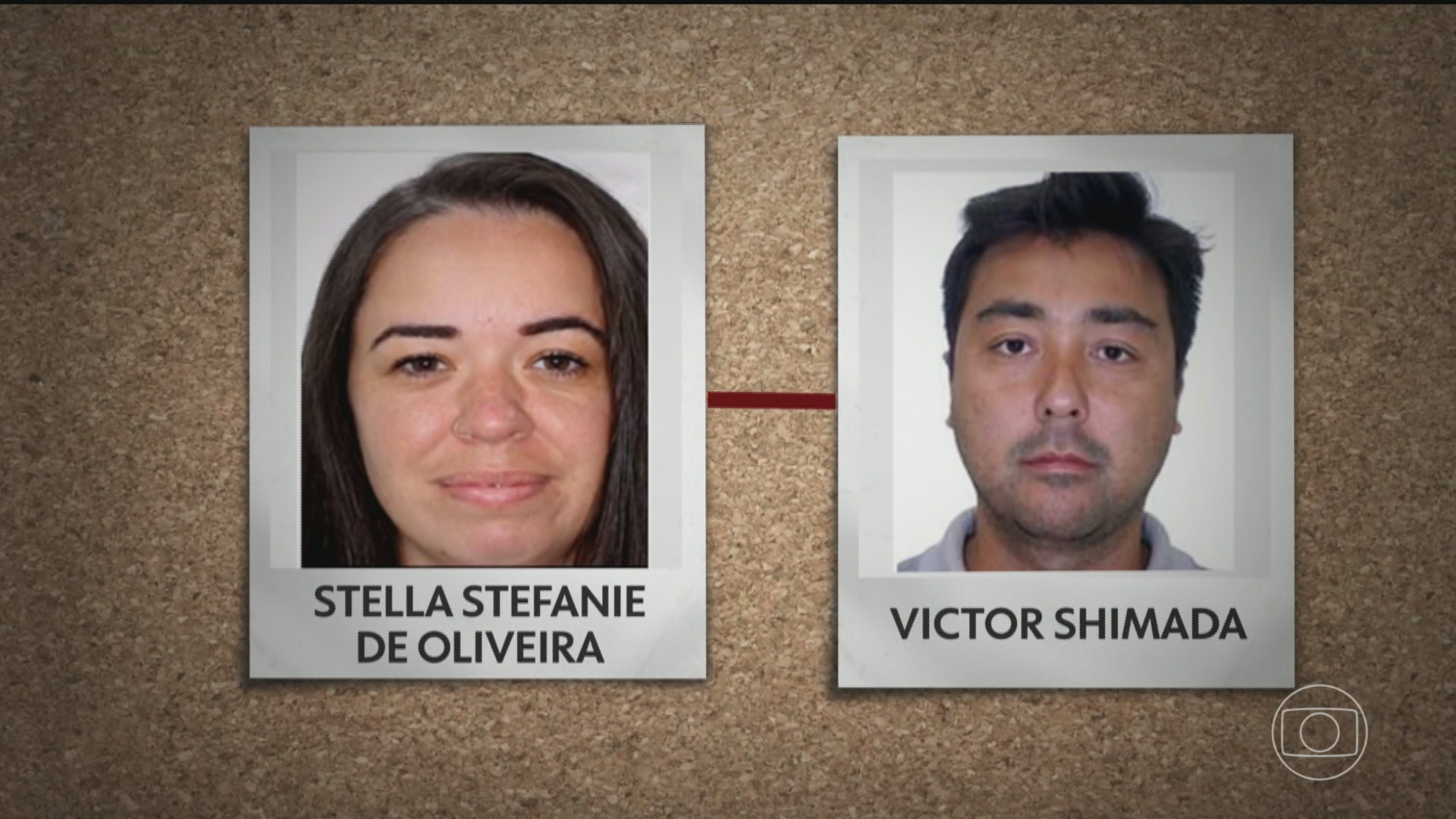
Brazil's Federal Police (PF) arrested a Brazilian national on Friday, March 3rd, who is also subject to sanctions from the United States due to suspected ties to international drug trafficking. The operation involved over 50 agents executing temporary arrest and search and seizure warrants across four cities in São Paulo state, resulting in seven arrests. Among those apprehended was Stella Stefanie de Oliveira, identified as the secretary and cousin of businessman Victor Shimada. The PF alleges Shimada leads a money laundering scheme for drug trafficking, potentially connected to the PCC criminal faction, and is currently a fugitive. Investigators claim Stella managed the logistics for collecting illicit funds, which were crudely documented on R$2 bills serving as receipts for the faction's traffickers. A Brazilian court has ordered the seizure of over R$10 billion from the suspects. The investigation, initiated in March, was a collaboration with U.S. authorities. The U.S. government announced sanctions against Stella, Shimada, and his companies on Wednesday, March 1st, shortly before Shimada disappeared. Brazilian authorities emphasized that the suspects were already under investigation by the PF and the Receita Federal (Brazil's tax authority) before the U.S. sanctions were imposed. Brazil's Minister of Finance, Dario Durigan, stated that Brazilian authorities had informed the U.S. about their ongoing investigations and that the sanctions revealed no new information. Stella's lawyer indicated they are awaiting investigation details to formulate a defense, while Shimada's lawyer stated they would comment after reviewing the case files.
This operation highlights the increasing global coordination between law enforcement agencies in combating transnational organized crime, particularly drug trafficking and money laundering. The U.S. sanctions, while seemingly proactive, appear to have been a consequence of intelligence shared by Brazilian authorities, suggesting a complex interplay of information exchange and operational timing. The rudimentary method of documenting large financial transactions on low-denomination currency raises questions about the sophistication of the alleged money laundering network, potentially indicating a blend of established criminal structures and less formal operational methods. The significant sum of over R$10 billion frozen suggests the scale of the alleged illicit financial flows. Moving forward, the challenge lies in dismantling the entire network, including identifying the ultimate beneficiaries of the laundered funds and understanding the systemic vulnerabilities that facilitate such operations, particularly in the context of evolving financial technologies and cross-border capital movements.
AI-generated to prompt reflection — not editorial opinion, not advice, not a statement of fact. How this works.