Brazilian woman working at World Cup marvels at stadium crowd size
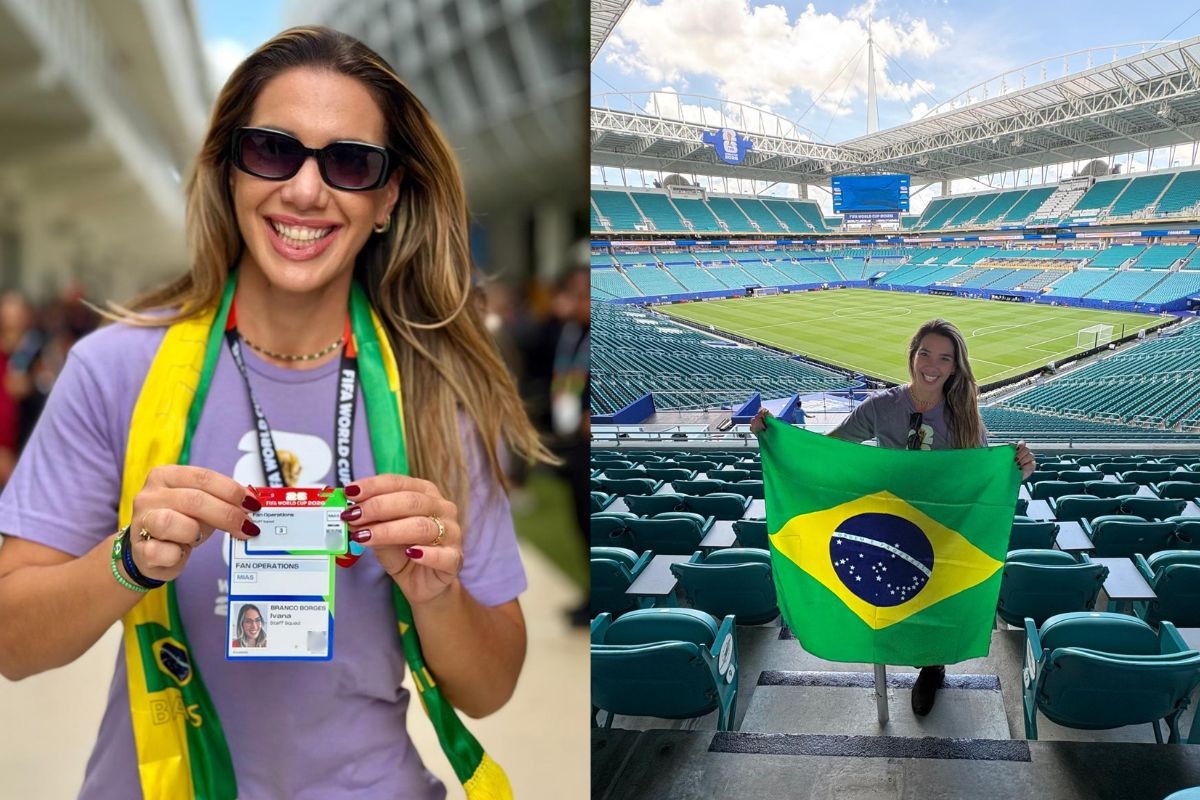
Ivana Branco Borges, a 41-year-old Brazilian living in the United States, is working behind the scenes at the World Cup. Originally from Dracena, a city with an estimated population of 46,735, Borges was deeply moved while watching Brazil's 3-0 victory over Scotland. She recalled thinking, "There are more people inside this stadium than in my hometown," when the crowd of over 65,000 was displayed on the big screen. Borges, who moved to the U.S. in 2017, works as a Field Marketing Manager for a functional hydration company, often in the sports sector. Her role at the World Cup involves providing operational support, guiding fans, and ensuring a positive and organized experience for attendees. She has already worked several matches, including Saudi Arabia vs. Uruguay and Portugal vs. Colombia, and is scheduled for more games. The selection process for working at the event was rigorous and took months, involving background checks and document verification, leaving her anxious until a week before the tournament began. Borges, who holds degrees in Mathematics and a postgraduate degree in Communication and Marketing, sees this experience as a testament to how dedication, a willingness to learn, and courage can lead to surprising opportunities.
This account highlights the profound personal impact of large-scale international events, contrasting the individual's origins with the immense scale of global gatherings. The narrative emphasizes the power of opportunity and the rigorous selection processes involved in staffing major sporting tournaments, suggesting that access is carefully managed. From a systems perspective, the operational complexity of ensuring a positive fan experience at such events requires significant logistical planning and human resources, underscoring the intricate backend operations that support high-profile international spectacles. The individual's reflection on her hometown versus the stadium crowd size illustrates the vast disparities in scale between local communities and global events, prompting consideration of how such experiences shape individual perspectives on opportunity and belonging.
AI-generated to prompt reflection — not editorial opinion, not advice, not a statement of fact. How this works.