Brazilian World Cup Exit Sparks Boi-Bumbá Rivalry Online
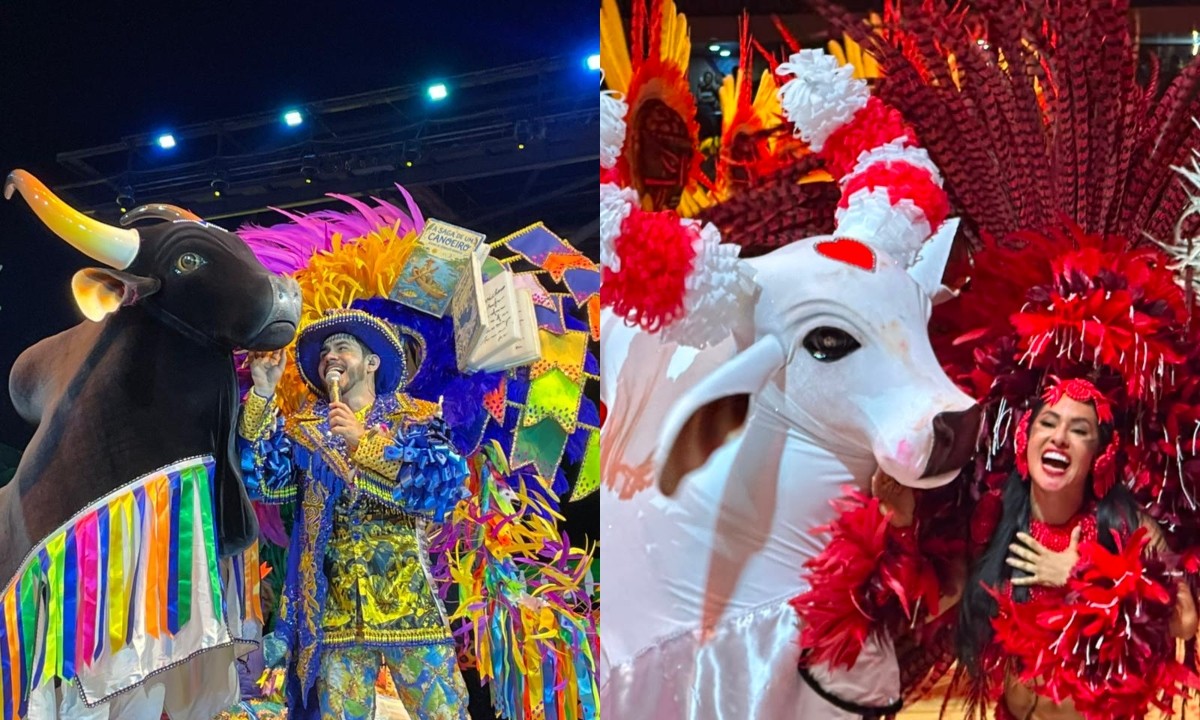
Brazil's elimination from the World Cup by Norway in the Round of 16 on Sunday, August 5th, has reignited the intense rivalry between the Boi-Bumbá groups Garantido and Caprichoso. Internet users humorously linked Brazil's defeat to the song 'Pode Remar' by Boi Garantido, which lost the 2026 Festival de Parintins title to Boi Caprichoso. The song's lyric 'Pode remar, remar, contrário sai pra lá' (You can row, row, the opposite goes away) went viral as a response to the Norwegian team's 'Viking row' celebration. This celebration, involving synchronized rowing motions accompanied by drums and chants, had previously gone viral among football fans. Social media users sarcastically attributed Brazil's loss to various factors, including the Garantido song, player changes, and a lack of ball control. Some even suggested the song brought bad luck to Brazil or good luck to Norway. Márcia Novo, one of the song's composers, acknowledged the Brazilian team's defeat but celebrated the resilience and reach of Amazonian popular culture, stating that their song continues to resonate. The 'Pode Remar' toada was composed by Márcia Novo, Luciano Nascimento, Daniel Carvalho, and Leonardo Castelo. The Festival de Parintins features Garantido and Caprichoso competing over three nights, with each presenting an artistic project evaluated on 21 criteria within a two-and-a-half-hour limit. In 2026, Caprichoso secured its 27th title with the theme 'Brinquedo que Canta seu Chão' (Toy that Sings Your Ground).
The viralization of the 'Pode Remar' song in the context of Brazil's World Cup elimination highlights the potent intersection of cultural identity, national sentiment, and digital media. While framed humorously, this phenomenon underscores how cultural narratives can be mobilized and reinterpreted to process collective disappointment. The incident demonstrates the power of cultural symbols, like the Boi-Bumbá traditions, to transcend their original context and become vehicles for expressing broader social and emotional responses. Looking ahead, the increasing digital interconnectedness suggests that such cultural expressions will continue to play a significant role in shaping public discourse and collective emotional processing, particularly during moments of national significance or shared experience.
AI-generated to prompt reflection — not editorial opinion, not advice, not a statement of fact. How this works.