Brazilians Describe Devastating Wildfires Sweeping Across Spain and France
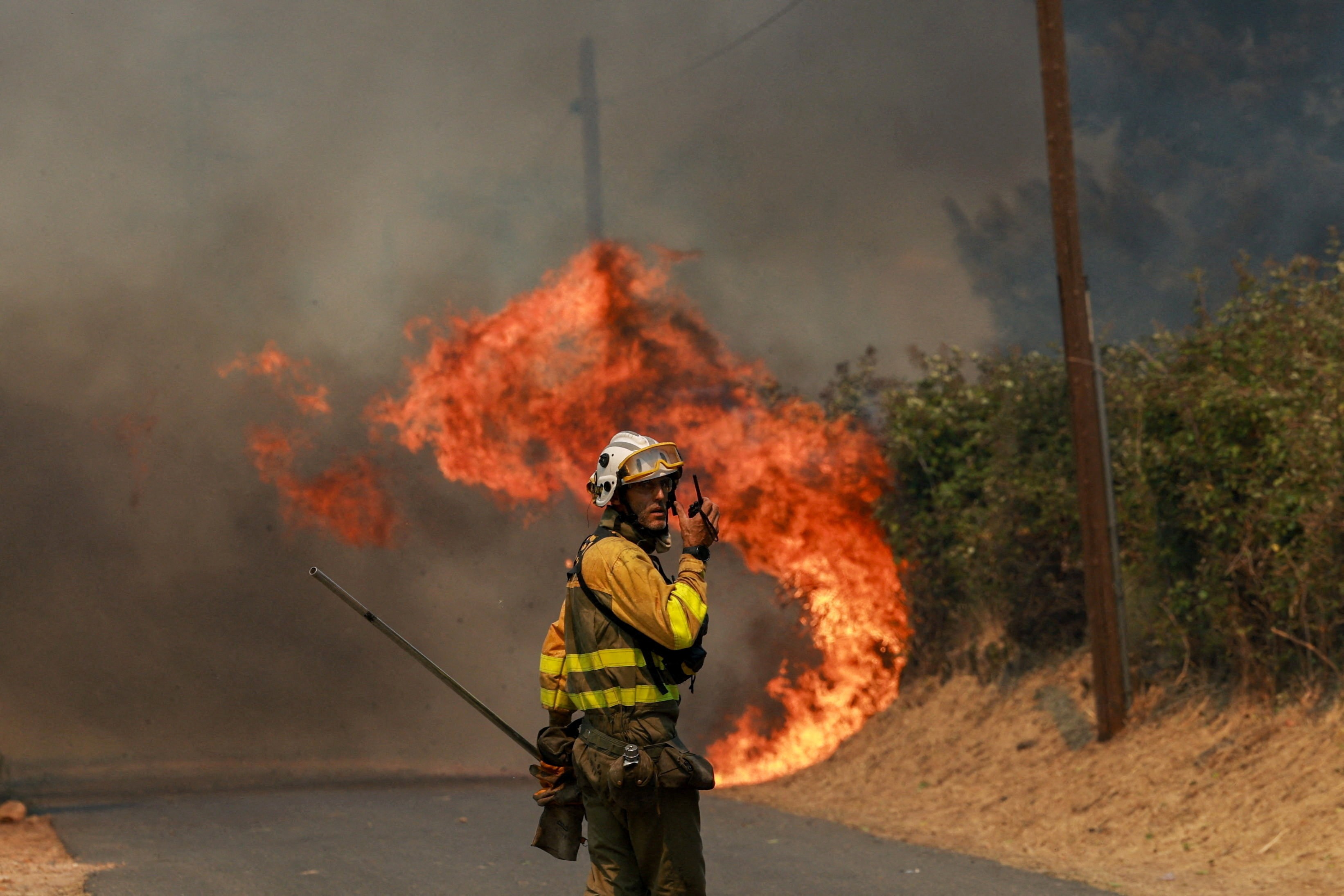
Brazilians living in Spain and France have shared harrowing accounts of the unprecedented wildfires that are currently engulfing large parts of both countries. One individual described the scene in Madrid as apocalyptic, with a dark orange sun and a gray sky for several days, forcing many, particularly the elderly, to wear masks outdoors. Another described the sky over Madrid as an alarming color, noting the strong smell of smoke and widespread evacuations. The situation is being called a catastrophe, with reports suggesting it is the worst in Spain's history. In Spain, the government has declared a national emergency due to the severity of the fires. The blaze in Ávila, west of Madrid, has already consumed over 500 square kilometers, making it the largest wildfire ever recorded in the country and displacing tens of thousands of people. While Spanish authorities indicate that some fires are being brought under control, they warn that a new heatwave could worsen the situation. Meanwhile, in southwestern France, near Bordeaux, firefighters are battling intense blazes in the Gironde region. Over 220,000 people have been forced to evacuate their homes, and the area destroyed is reportedly four times the size of Paris. Experts attribute the escalating frequency and intensity of these wildfires to climate change, exacerbated by extreme heatwaves and prolonged droughts across Europe, which have led to a 57% increase in the area affected by wildfires in just four years.
The current wave of severe wildfires across Spain and France highlights the escalating impact of climate change on European ecosystems and human populations. The scale of destruction, with record-breaking areas consumed and tens of thousands displaced, underscores the inadequacy of current disaster preparedness and response mechanisms in the face of increasingly extreme weather events. Experts link these fires to a combination of climate change, heatwaves, and droughts, suggesting a systemic vulnerability that requires a fundamental shift in land management and climate mitigation strategies. The long-term implications point towards a future where such catastrophic events may become more frequent, necessitating significant investment in climate resilience, early warning systems, and potentially, a reevaluation of development in high-risk areas. Addressing the root causes of climate change through global cooperation and national policy remains paramount to averting future crises of this magnitude.
AI-generated to prompt reflection — not editorial opinion, not advice, not a statement of fact. How this works.