Brazilians Rooting for Argentina in World Cup Final: A Look at the 'Adopted' Fans
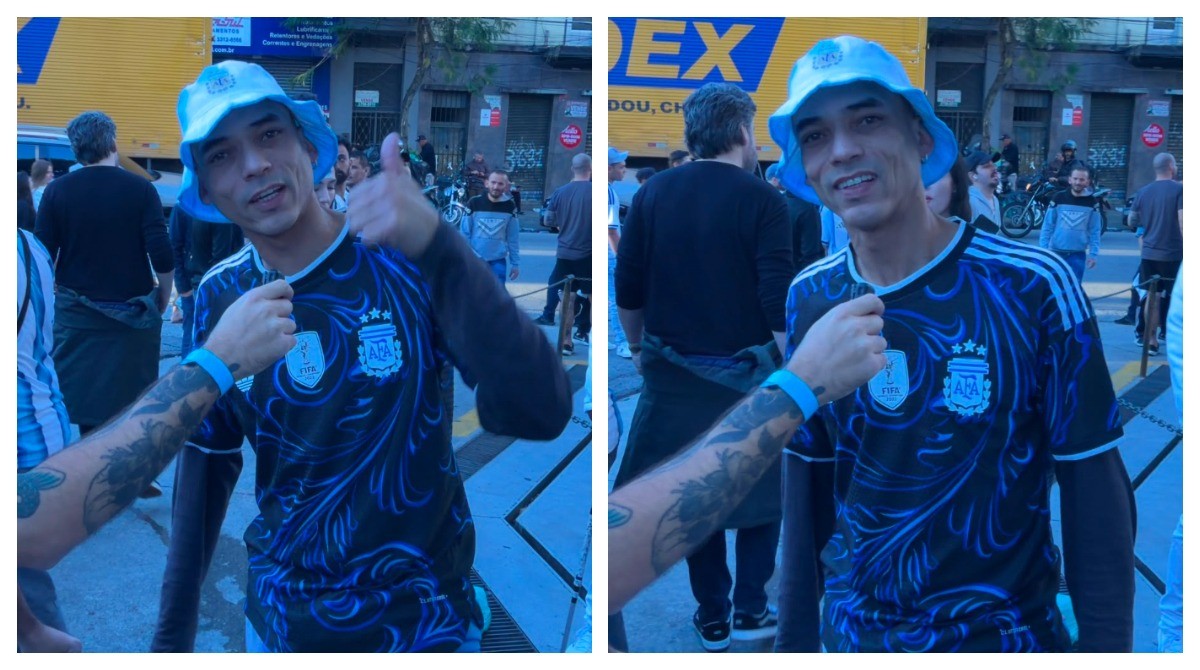
Despite being Brazilian, a growing number of fans in São Paulo are set to cheer for Argentina in the World Cup final on Sunday, December 19th. These supporters, who have adopted the Argentine national team, will gather in the Mooca neighborhood, a known hub for the Argentine community in the city. Some of these Brazilians have family ties to Argentina or have lived there, while others have developed a long-standing affinity for the team, even without visiting the country. One such fan, Gilson Santana dos Santos, has supported Argentina since the 1998 World Cup, feeling a connection after Brazil's performance that year. He finds the historical rivalry, particularly in matches against England, adds to the excitement. Sofia Milene Munhoz, who was born in Brazil but moved to Argentina at age five and holds dual nationality, was surprised by the number of Brazilians embracing the Argentine team during the semi-final. She described the atmosphere outside the Moocaires bar as reminiscent of an Argentine stadium. Professor Daniel Rivera Santos, who lived and worked in Argentina, also feels a deep connection and helps organize fan gatherings. He believes that passion for football transcends nationality and fosters unity, highlighting the growing presence of Brazilians at these events, especially after Argentina's 2022 World Cup victory. The Mooca neighborhood's street corner has become an extension of Argentine fan culture, attracting Brazilians, their descendants, and admirers of Argentine culture, with expectations for a similar turnout at the final.
This phenomenon highlights how cultural affinity and shared passion for football can transcend national allegiances, particularly in regions with strong historical and social connections like South America. The gatherings in São Paulo demonstrate the power of sports to create community and shared identity, independent of official nationality. From a systems perspective, this indicates that national identity, while significant, is not the sole determinant of fan allegiance. Factors such as perceived team performance, historical narratives, and personal connections play a crucial role in shaping fan bases. In the context of globalized sports and digital connectivity, such cross-border allegiances are likely to become more common, challenging traditional notions of national sports fandom and suggesting a future where fan communities are more fluid and based on shared values and experiences rather than solely on birthplace.
AI-generated to prompt reflection — not editorial opinion, not advice, not a statement of fact. How this works.