Breathing Out During Memorization: Does the Latter Half of Exhalation Boost Learning?
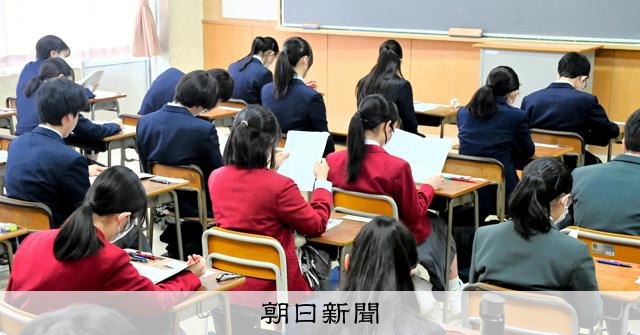
A recent discussion suggests that memorizing information might be more effective when performed during the latter half of exhalation. This technique is thought to enhance the efficacy of learning methods such as reading aloud and shadowing. Reading aloud involves vocalizing text, while shadowing requires repeating spoken words immediately after hearing them. The principle behind this proposed method is rooted in the physiological effects of breathing patterns on cognitive functions. Specifically, it is hypothesized that the state of the autonomic nervous system shifts during different phases of respiration. During exhalation, the parasympathetic nervous system, which is associated with relaxation and rest, becomes more dominant. This heightened state of relaxation could potentially create a more conducive environment for memory consolidation and learning. Therefore, aligning memorization activities with the latter half of exhalation might optimize the brain's capacity to absorb and retain information. Further research could explore the precise neurological mechanisms and the extent of the benefit across different types of learning materials and individuals.
This concept explores the intersection of respiratory physiology and cognitive performance, specifically memory encoding. The hypothesis suggests that leveraging the parasympathetic nervous system's activation during exhalation could enhance learning. While intriguing, the practical implications and the magnitude of any potential benefit require rigorous empirical validation. Future research should investigate whether these effects are consistently reproducible across diverse populations and learning tasks, and whether they offer a significant advantage over conventional study methods. Understanding the underlying neurobiological pathways will be crucial for discerning the true efficacy of this technique, moving beyond anecdotal suggestions to evidence-based educational strategies.
AI-generated to prompt reflection — not editorial opinion, not advice, not a statement of fact. How this works.