Bridging the Knowledge Gap: Making Science Accessible in the Digital Age
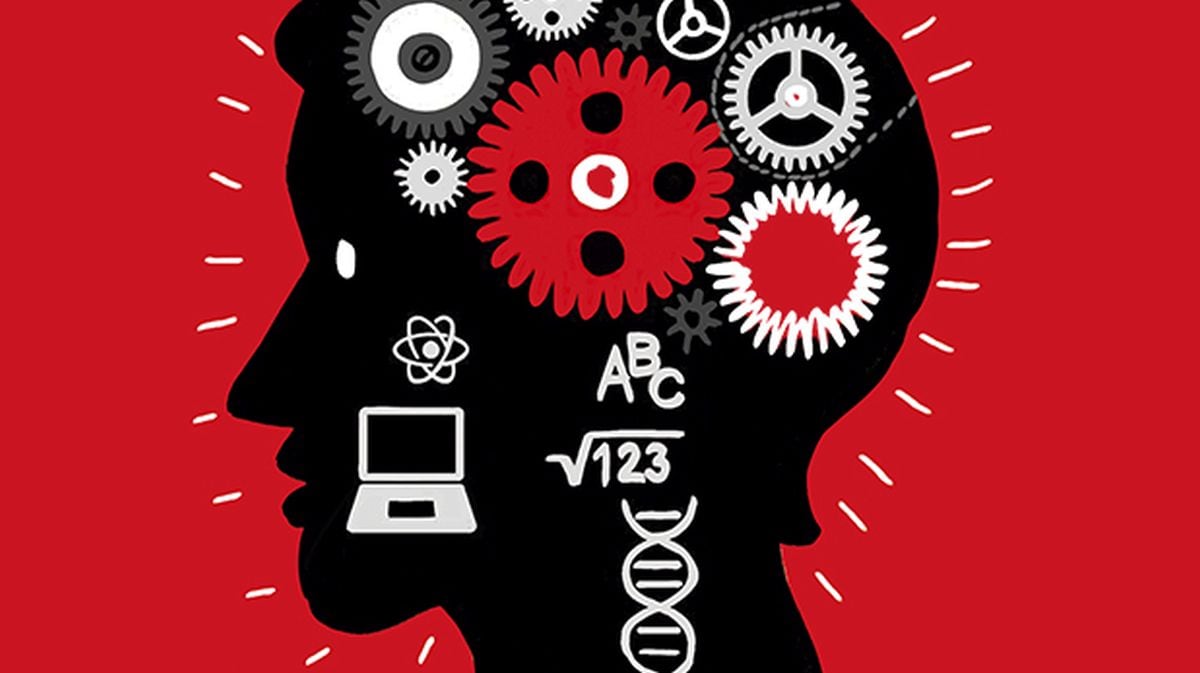
We are currently experiencing a paradox where unprecedented access to knowledge coexists with a decline in questioning. While technology and artificial intelligence provide instant answers, they also diminish the need for observation, doubt, and critical inquiry. This societal trend is particularly concerning for children, a demographic whose curiosity should be at its peak. The ease of obtaining information through AI and digital platforms may inadvertently stifle the development of essential critical thinking skills. This phenomenon highlights a challenge in how we engage with information, emphasizing the need to foster active learning and genuine curiosity rather than passive consumption. The article suggests a critical juncture where accessible information must be balanced with the cultivation of intellectual engagement, especially during formative years.
The proliferation of readily available information, amplified by AI, presents a dual-edged sword. While democratizing knowledge access, it risks creating a generation less inclined to engage in deep inquiry and critical analysis. This dynamic challenges educational systems and parenting to actively cultivate curiosity and the skills to discern and question information, rather than simply consume it. The long-term societal implication could be a reduced capacity for innovation and problem-solving if the habit of asking 'why' is eroded. Future educational paradigms may need to prioritize fostering intellectual rigor and a questioning mindset, even as information becomes more accessible.
AI-generated to prompt reflection — not editorial opinion, not advice, not a statement of fact. How this works.