Brighter, Whiter Headlights Cause Increased Glare for Drivers at Night
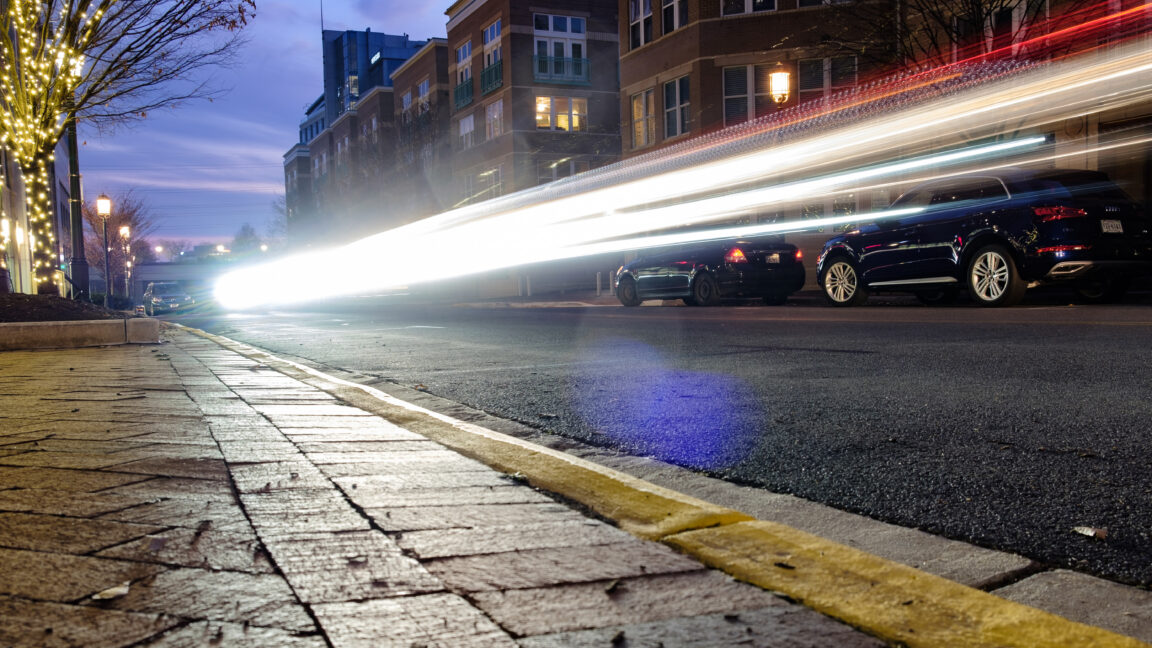
Modern automotive headlights have significantly improved in brightness and color temperature, offering better visibility for drivers. However, this advancement comes with a notable drawback: increased glare for other road users, particularly after dark. The shift towards whiter and more intense light sources, while beneficial for the vehicle emitting them, creates a more dazzling effect for oncoming traffic and pedestrians. This phenomenon raises concerns about road safety, as excessive glare can impair a driver's vision temporarily, increasing the risk of accidents. The evolution of headlight technology has prioritized illumination power, but the unintended consequence of heightened glare is becoming a significant issue for nighttime driving conditions. Addressing this trade-off requires careful consideration of headlight design and regulation to balance improved visibility with reduced discomfort and danger for all road participants.
The evolution of automotive headlight technology reflects a common engineering trade-off between enhanced performance for the user and potential negative externalities for others. While brighter, whiter lights offer improved visibility for the driver operating the vehicle, they can create significant glare for other road users, impacting overall traffic safety. This situation highlights a potential market failure where the direct benefits to one group (vehicle owners) impose costs on another (other drivers, pedestrians). Future regulatory frameworks and technological innovations may need to focus on adaptive lighting systems that adjust intensity and color based on ambient conditions and the presence of other vehicles, aiming to optimize safety and comfort for all road participants rather than prioritizing individual vehicle performance.
AI-generated to prompt reflection — not editorial opinion, not advice, not a statement of fact. How this works.
