Brisbane Scientist's Accidental Discovery May Offer New Ways to Combat Viruses
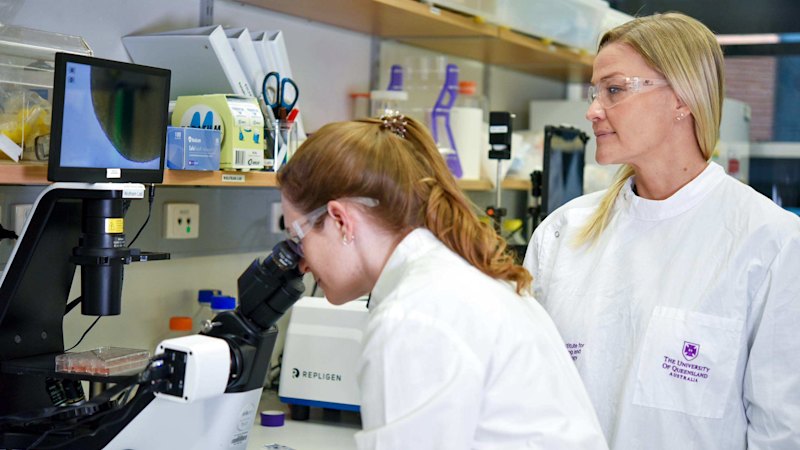
A neuroscientist at the University of Queensland (UQ) in Brisbane, Australia, has made an accidental discovery that could potentially disrupt common and deadly viruses. Dr. Aris Angelis was initially researching the intricate processes occurring within the human brain. During her study, she observed an unexpected disruption in a specific cellular pathway. This pathway is crucial and widely utilized by a variety of viruses to replicate and spread within the body. The finding suggests that interfering with this pathway could be a novel strategy for developing antiviral treatments. Further research is needed to explore the full implications of this discovery and its potential applications in medicine. The research team is now focused on understanding how this disruption can be effectively targeted. This breakthrough offers a glimmer of hope in the ongoing battle against viral infections.
This discovery highlights the serendipitous nature of scientific research, where investigations into one complex system, the human brain, can yield insights applicable to another, such as viral pathogenesis. The identification of a common viral pathway presents a potential leverage point for therapeutic intervention. Future research will likely focus on the specificity and safety of targeting this pathway, balancing the need to inhibit viral replication with the risk of unintended consequences for host cell function. The long-term implications could involve a new class of broad-spectrum antivirals, shifting the paradigm from targeting specific viral proteins to exploiting host cell vulnerabilities exploited by viruses.
AI-generated to prompt reflection — not editorial opinion, not advice, not a statement of fact. How this works.