British-Azerbaijani Man Arrested in Cyprus on Suspicion of Spying for Iran
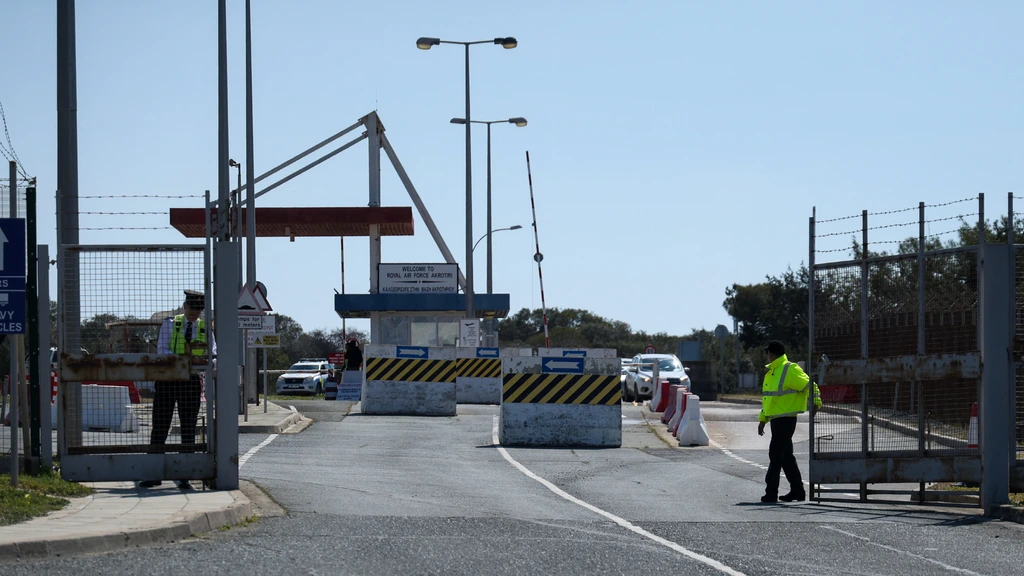
A 44-year-old British-Azerbaijani national, Rashad Sultanov, has been arrested in Cyprus on suspicion of espionage against a British military base. Sultanov, a resident of Islington, London, was apprehended by local authorities on July 17 and is currently detained pending extradition proceedings. The arrest stems from an investigation by a British counter-terrorism unit, involving collaboration between British and Cypriot law enforcement agencies. The inquiry focuses on alleged incidents between May 11 and June 22 of the previous year at the Akrotiri Sovereign Base Area, a clandestine Royal Air Force facility. Sultanov is accused of observing the base and transmitting information to Iran's Islamic Revolutionary Guard Corps intelligence service. British prosecutors are charging him under sections 3 and 4 of the UK's National Security Act for providing assistance to a foreign intelligence service and entering a prohibited area with intent to harm the United Kingdom. This marks the first arrest made under the National Security Act in an overseas territory. The Act, enacted on July 11, 2023, aims to counter the escalating threat of hostile state activities against British national security and allows for the extraterritorial application of UK counter-espionage laws. The head of the British counter-terrorism unit highlighted the case as proof of the new law's effectiveness in addressing potential threats to British overseas military installations from hostile states.
This incident underscores the evolving landscape of international espionage, particularly concerning critical infrastructure located in sovereign territories. The application of the UK's National Security Act in an overseas territory signifies a proactive stance by the British government to extend its legal reach against perceived foreign intelligence threats. The case highlights the strategic importance of overseas bases like Akrotiri and the potential vulnerabilities they present to state-sponsored intelligence gathering. Future geopolitical dynamics may necessitate enhanced security protocols and international cooperation to safeguard such assets. The legal framework's extraterritorial scope suggests a broader strategy to deter and prosecute espionage activities, irrespective of location, potentially influencing how nations approach the protection of their interests abroad in an increasingly interconnected world.
AI-generated to prompt reflection — not editorial opinion, not advice, not a statement of fact. How this works.