British Museum Faces Financial Strain Amidst Repatriation Debates
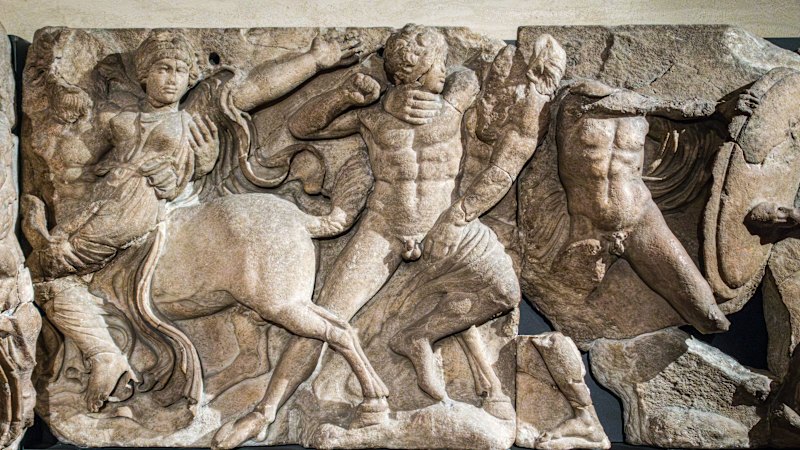
The British Museum in London is reportedly facing significant financial challenges. This comes at a time when discussions surrounding the repatriation of artifacts, often described as 'loot' by critics, are intensifying. The museum's vast collection, which includes items acquired during the British Empire's historical reach, is central to these debates. The financial difficulties raise questions about the museum's operational sustainability, particularly if it were to significantly alter its collection through returns. The article implies a direct link between the potential return of these historically contentious items and the museum's current financial predicament. This situation highlights a complex interplay between cultural heritage, colonial history, and institutional economics.
The British Museum's financial situation, juxtaposed with ongoing repatriation discussions, presents a complex governance challenge. The institution's historical acquisition methods are now a focal point for ethical and financial considerations. As global norms evolve regarding cultural property, museums face a strategic imperative to balance their roles as custodians of global heritage with the demands for restitution. This situation necessitates a forward-looking approach to collections management, potentially exploring new models for international collaboration, shared stewardship, or innovative funding streams that are decoupled from the controversial provenance of certain artifacts. The long-term viability of such institutions may depend on their ability to adapt to these shifting ethical landscapes and redefine their relationship with source communities.
AI-generated to prompt reflection — not editorial opinion, not advice, not a statement of fact. How this works.