Broadcasting Committee Proposes Public Broadcaster Directors, Delays Oh Tae-gyu Appointment
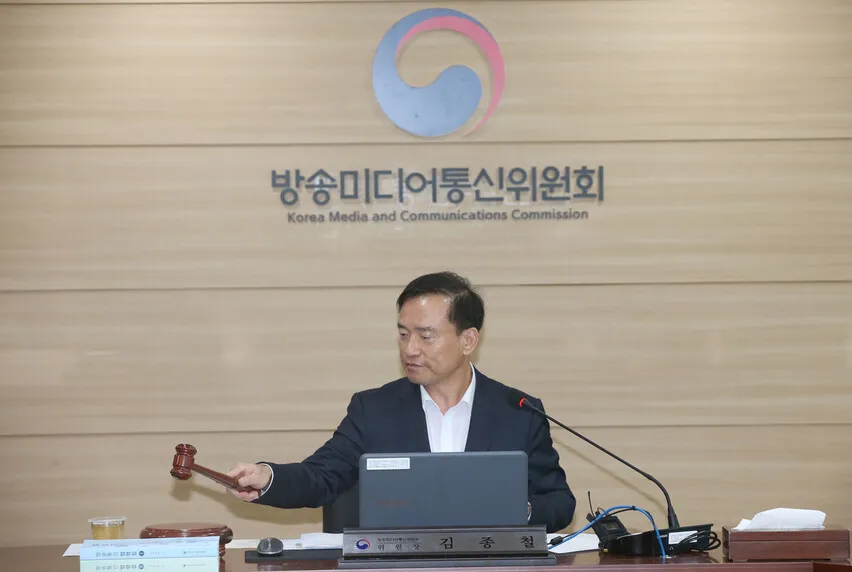
The Korea Communications Commission (KCC) has proposed the appointment of new directors for public broadcasters, including those recommended by the Democratic Party. However, the appointment of Oh Tae-gyu, who was also recommended by the Democratic Party, has been put on hold. The KCC's decision comes after a period of deliberation and is expected to shape the leadership of South Korea's public broadcasting services. The specific reasons for the delay in Oh Tae-gyu's appointment have not been fully disclosed, but it suggests a potential point of contention or further review. This move could impact the editorial independence and future direction of key public media outlets in the country. The KCC is the government agency responsible for overseeing broadcasting and telecommunications in South Korea. The selection process for public broadcaster directors is often subject to political influence and public scrutiny. The Democratic Party, as a major political force, actively participates in the nomination process for these influential positions. The outcome of these appointments will be closely watched by media watchdogs and the public alike.
The KCC's proposal to appoint directors, including those from a specific political party, highlights the ongoing tension between political influence and the governance of public media. While diverse recommendations can foster varied perspectives, the delayed appointment of Oh Tae-gyu suggests potential complexities in consensus-building or external pressures. Future governance models for public broadcasters may need to address mechanisms that ensure both political representation and robust editorial independence, safeguarding against undue influence in an era where media trust is paramount. The long-term implications will depend on the KCC's transparency and the established checks and balances within the appointment and oversight processes.
AI-generated to prompt reflection — not editorial opinion, not advice, not a statement of fact. How this works.