Brocken Railway Switches to Diesel Locomotives Amidst High Forest Fire Risk
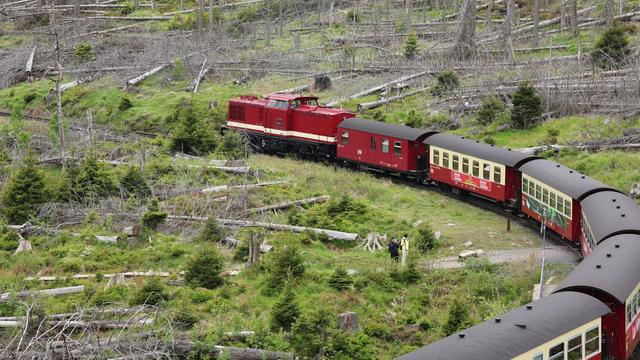
The Brocken Railway in Germany has escalated its fire prevention measures by switching to diesel locomotives. This decision comes as the region faces its second-highest warning level due to the elevated risk of forest fires. The iconic steam engines, typically used on the historic narrow-gauge line, pose a greater fire hazard. By utilizing diesel power, the railway aims to significantly reduce the potential for sparks and ignition sources. This precautionary step is crucial for protecting the surrounding natural landscape, particularly the Harz National Park, which is highly susceptible to fires during dry periods. The Brocken Railway is a popular tourist attraction, and operational adjustments are being made to ensure safety without completely halting services. The move underscores the increasing impact of climate change and the need for adaptive strategies in managing heritage transport operations in sensitive environments. Further updates on operational status and fire risk levels are expected.
The Brocken Railway's operational shift to diesel locomotives highlights the growing challenge of balancing heritage tourism with environmental safety in an era of heightened climate risk. This adaptive measure reflects a pragmatic response to the increased frequency and intensity of extreme weather events, such as forest fires. The decision to prioritize fire prevention over the traditional steam experience demonstrates a recognition of systemic vulnerabilities. Looking ahead, such operational adjustments may become more common for heritage sites globally, prompting discussions on long-term sustainability strategies, investment in fire-resistant technologies, and the potential evolution of public perception regarding traditional transport methods in the face of environmental imperatives.
AI-generated to prompt reflection — not editorial opinion, not advice, not a statement of fact. How this works.