Broken Rice: Corporate Interests Behind Cheap Raw Materials Amidst Environmental Calls
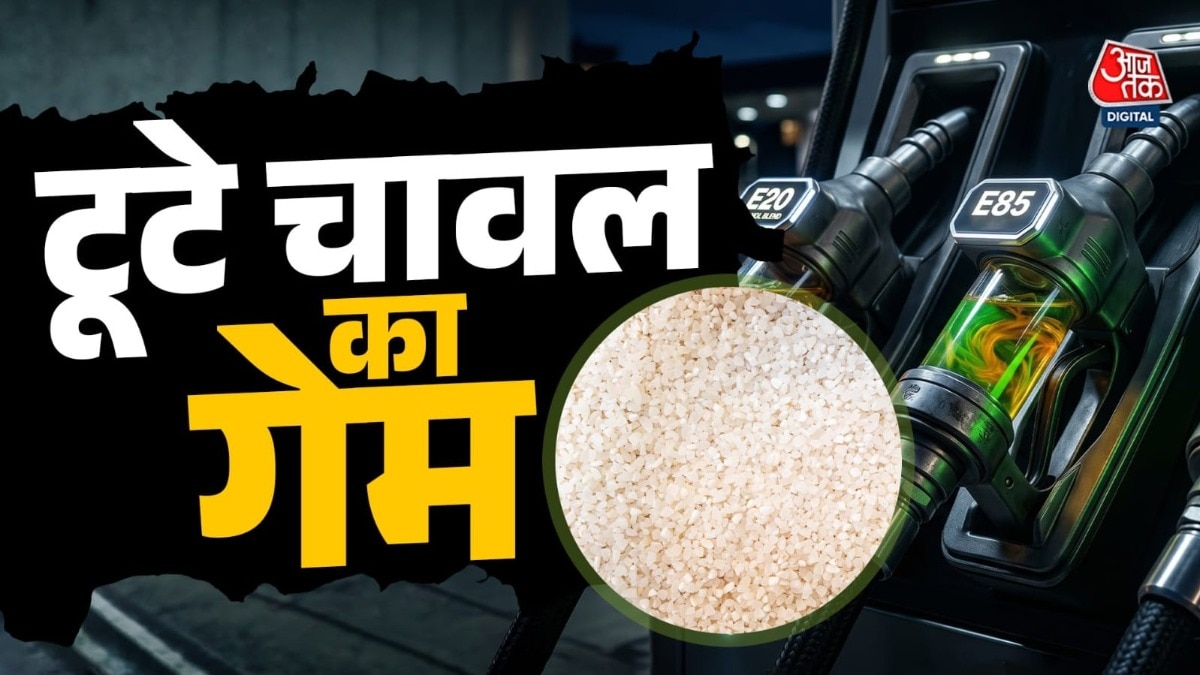
While there are calls to abandon rice cultivation for environmental and water conservation reasons, favoring crops like maize, a different narrative is unfolding at the mill level. Regulations are reportedly being altered to ensure a supply chain of cheap raw materials that benefits corporate interests. This situation is described as a peculiar economic model operating under the guise of a welfare state, funded by taxpayer money. The analysis delves into the full implications of this economic strategy, highlighting the disconnect between environmental advocacy and the practical realities of the supply chain.
The reported manipulation of regulations to secure cheap raw materials, juxtaposed with environmental conservation messaging, suggests a potential conflict between ecological objectives and economic expediency. This dynamic raises questions about governance structures and the prioritization of corporate interests over stated environmental policies. The use of taxpayer funds within this framework warrants scrutiny regarding resource allocation and the long-term sustainability of such practices. Examining the incentive structures driving these decisions is crucial for understanding how to align economic development with environmental stewardship in the coming decade, particularly as resource scarcity and climate change intensify.
AI-generated to prompt reflection — not editorial opinion, not advice, not a statement of fact. How this works.