Broncos Legend Warns Against Walsh Moving to Halves Too Soon
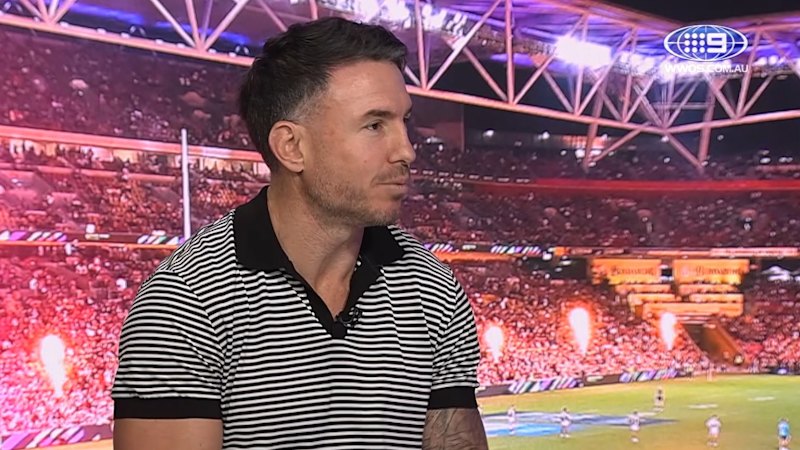
Former Broncos player Darius Boyd has advised star fullback Reece Walsh against transitioning to the halves position prematurely in his rugby league career. Boyd, a respected figure at the Broncos, believes such a move would be ill-timed for Walsh at this stage of his development. He emphasized that Walsh is currently excelling as a fullback and possesses the skills necessary to continue dominating in that role. The suggestion is that forcing a positional change now could hinder his growth and potentially disrupt his current form. Boyd's comments suggest a focus on nurturing Walsh's existing strengths rather than introducing new complexities to his game too early. The advice underscores the importance of strategic player development in rugby league, particularly for highly talented young athletes. Boyd's perspective highlights the potential risks associated with early positional shifts for players who are already performing at a high level. He advocates for a more patient approach, allowing Walsh to consolidate his success as a fullback before considering a switch to the halves.
The strategic positioning of emerging talent like Reece Walsh in professional sports is a critical aspect of long-term team success and individual player development. Darius Boyd's cautionary advice highlights a common dilemma in sports management: balancing immediate performance needs with future potential. Moving a player to a new position, especially one as demanding as the halves, requires careful consideration of the player's skill set, adaptability, and the team's overall strategic objectives. While a positional change can sometimes unlock new levels of performance or address team needs, it also carries the risk of disrupting a player's established rhythm and confidence. The decision-making process should ideally involve a data-driven assessment of Walsh's current capabilities and future trajectory, alongside expert coaching insights. This situation exemplifies the ongoing tension between player agency, coaching strategy, and the commercial pressures inherent in professional sports leagues, where early success is often prioritized.
AI-generated to prompt reflection — not editorial opinion, not advice, not a statement of fact. How this works.