Brotas, SP City Hall Announces 23 Public Job Openings with Salaries Up to R$19,300
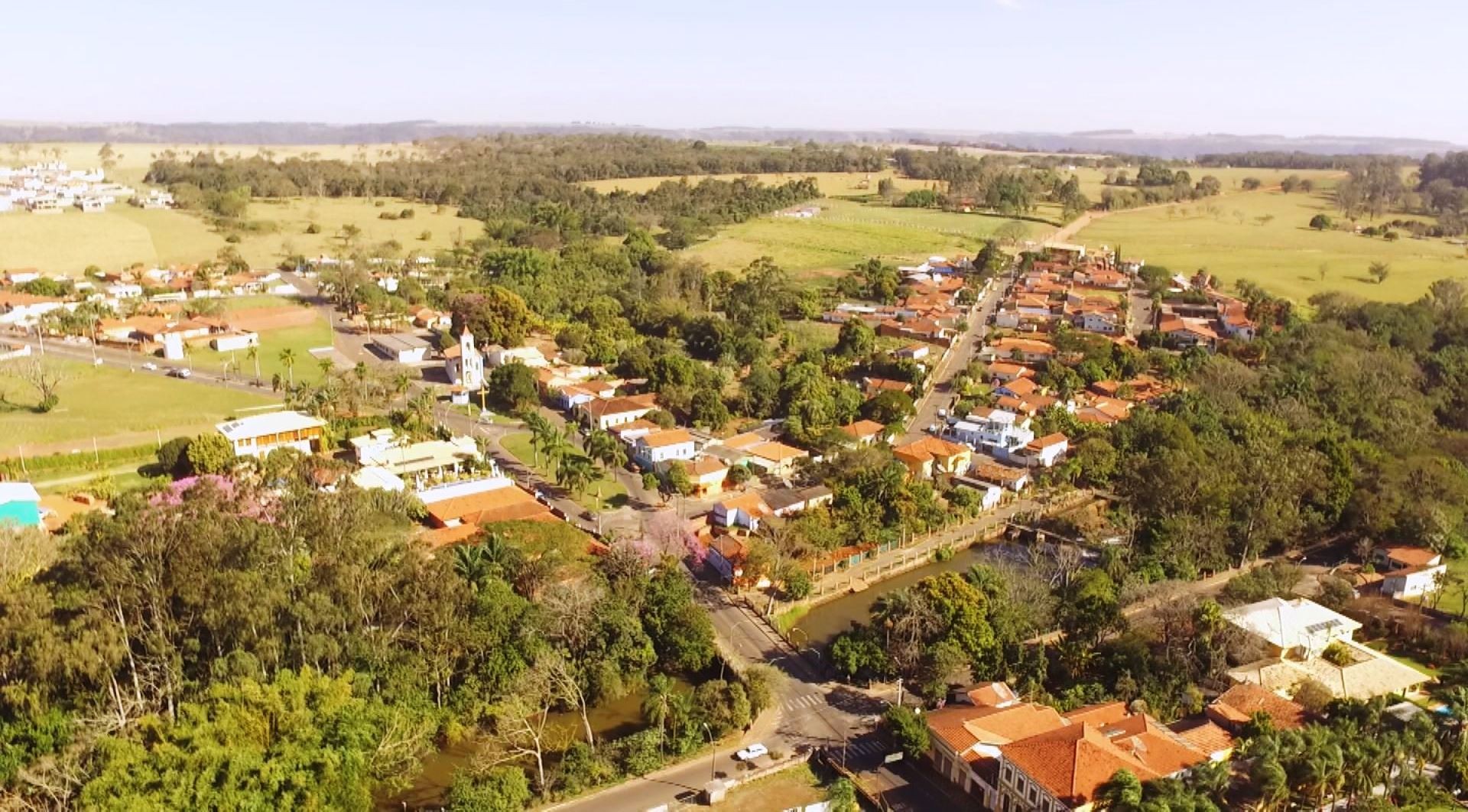
The City Hall of Brotas, located in the interior of São Paulo state, Brazil, has opened applications for 23 public job positions, along with a reserve list for additional candidates. The application period runs until August 10th. The available roles cater to individuals with varying educational backgrounds, including basic literacy, elementary school, high school, technical courses, and higher education. Salaries range significantly, from R$1,783.65 to R$19,354.81 per month, with weekly working hours between 15 and 40, depending on the specific position. Application fees are set at R$75 for elementary level, R$85 for high school/technical level, and R$95 for higher education. Candidates are permitted to apply for multiple positions, provided the examination dates do not conflict. The objective exams are scheduled for September 13th and 20th, 2026, and will consist of questions on Portuguese, mathematics, and specific knowledge relevant to each role. Each exam will last for 3 hours. The city hall emphasizes that passing the exam does not guarantee immediate hiring; the municipality reserves the right to fill only the necessary number of positions based on administrative needs, financial capacity, and adherence to the Fiscal Responsibility Law.
This public employment initiative by the Brotas City Hall presents a structured approach to filling municipal service needs, offering competitive compensation that may attract a diverse pool of candidates. The tiered salary structure reflects differing skill and education requirements, a common practice in public administration. The inclusion of a reserve list allows for future flexibility in staffing. From a governance perspective, adherence to the Fiscal Responsibility Law and the explicit statement that passing exams does not guarantee employment highlight the municipality's commitment to fiscal prudence and managing public resources effectively. The long lead time until the exams in September 2026 suggests careful planning and potential anticipation of future workforce demands, possibly influenced by demographic shifts or evolving service requirements within the municipality.
AI-generated to prompt reflection — not editorial opinion, not advice, not a statement of fact. How this works.