Brother of Cesium-137 Victim Dies in Goiás, Brazil
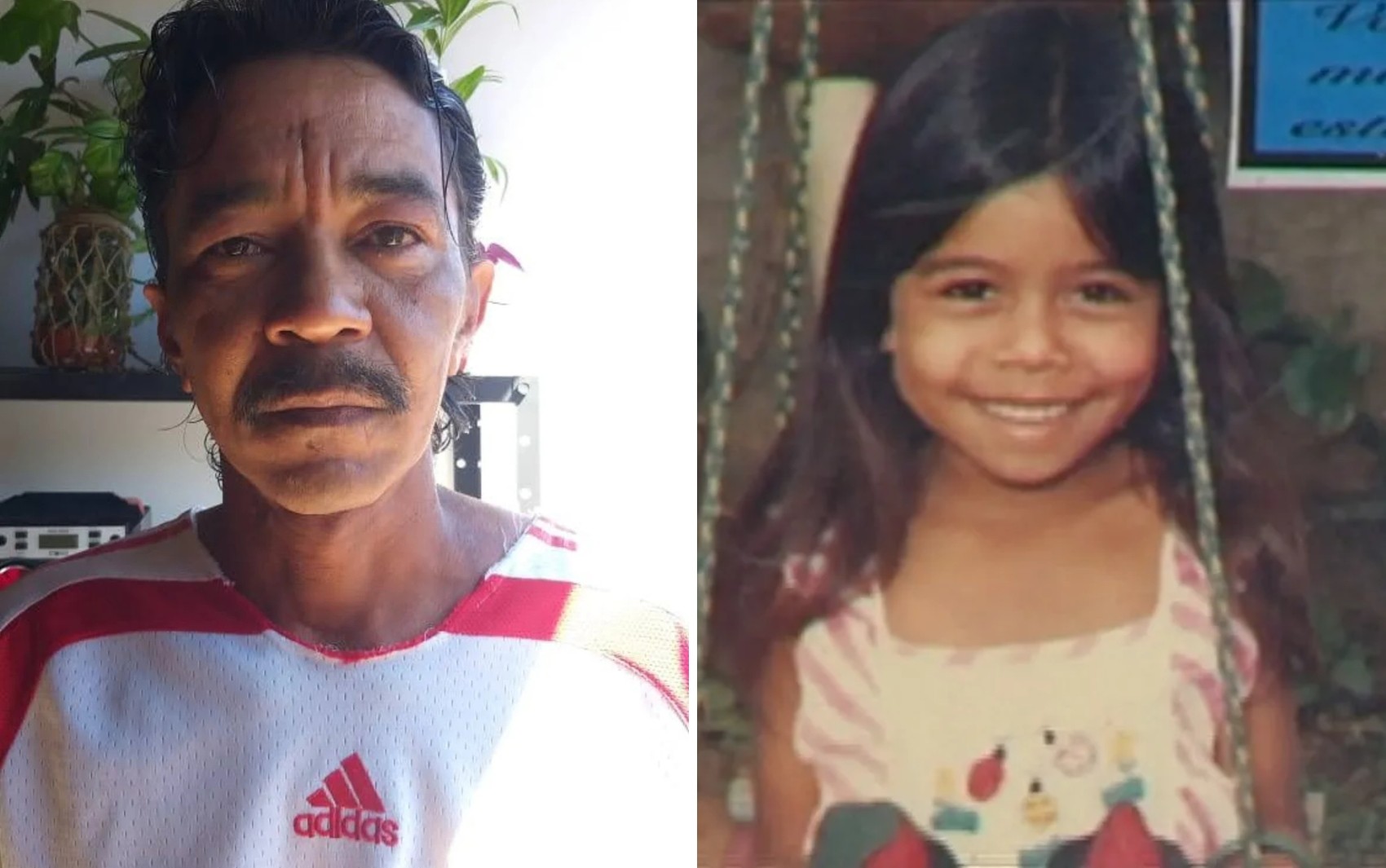
Lucimar das Neves Ferreira, brother of Leide das Neves, a prominent victim of the 1987 Cesium-137 radiological accident in Goiânia, Brazil, has died. He was found deceased on Saturday, November 25th, in Aparecida de Goiânia, Goiás. His mother, Lourdes das Neves, confirmed that Lucimar was 14 years old when he was also affected by the disaster. The cause of death has not been disclosed. His wake is scheduled for Sunday morning, November 26th, in Abadia de Goiás, with burial to follow at 10 AM. Marcelo Santos Neves, president of the Association of Victims of Cesium-137 (AVCésio), expressed his condolences and highlighted the ongoing suffering caused by the accident. He recalled his close relationship with Lucimar since the 1987 event, even taking him to his home during the chaotic period after the accident. The Cesium-137 accident, which occurred on September 13, 1987, began when recyclers dismantled a discarded medical device containing radioactive Cesium-137. The radioactive powder was spread throughout the city, resulting in four deaths and affecting over a thousand people. It remains the largest radiological accident in history outside of a nuclear power plant. Cesium-137 emits dangerous gamma radiation, which can damage cells and DNA. Thousands were evaluated at the time, with 129 showing signs of radiation exposure.
The death of Lucimar das Neves Ferreira, a survivor of the 1987 Cesium-137 disaster, underscores the long-term health and societal impacts of radiological accidents. While the immediate cause of death remains undisclosed, the event serves as a somber reminder of the enduring legacy of such incidents, extending across generations. The persistent health challenges and psychological trauma faced by victims and their families highlight the critical need for sustained medical monitoring and support systems, particularly in the context of evolving scientific understanding of radiation's effects. This tragedy also prompts reflection on the adequacy of regulatory frameworks and disaster preparedness, emphasizing the importance of robust oversight in handling radioactive materials to prevent future occurrences and ensure comprehensive care for those affected.
AI-generated to prompt reflection — not editorial opinion, not advice, not a statement of fact. How this works.