Brother of Goiânia Cesium-137 Victim Dies at 52
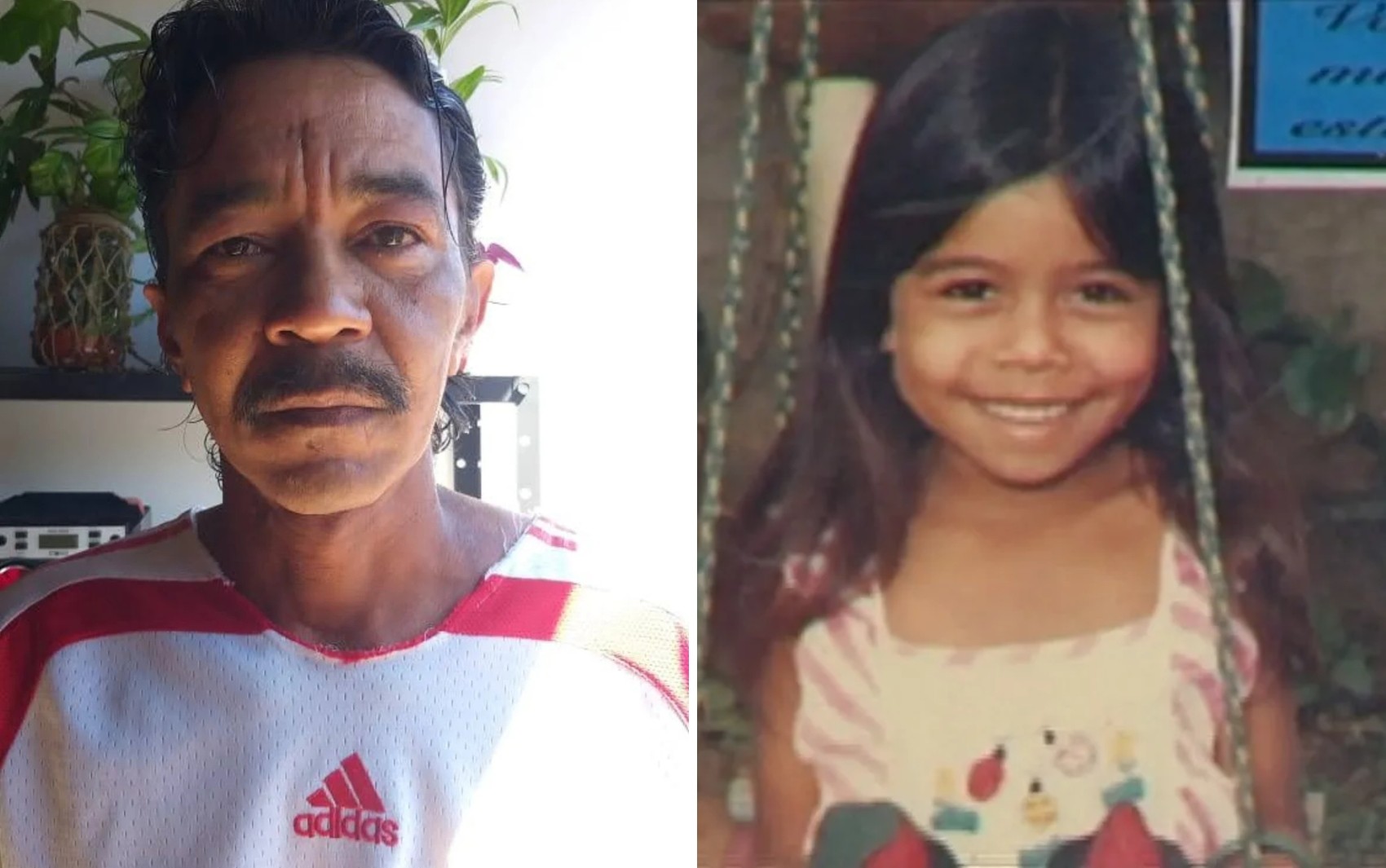
Lucimar das Neves Ferreira, brother of Leide das Neves Ferreira, a prominent victim of the 1987 Goiânia Cesium-137 radiological accident, has died at the age of 52. Lucimar was exposed to the radiation at age 14, according to his mother, Lourdes das Neves Ferreira. He was found deceased in his home in Aparecida de Goiânia, part of the Goiânia Metropolitan Region. The cause of death has not been disclosed. Lourdes shared a photo of Lucimar in April, noting his exposure during the accident. The president of the Association of Victims of Cesium-137, Marcelo Santos Neves, stated that Lucimar had been experiencing health issues and undergoing medical treatment. He reportedly died in his sleep. Santos Neves recounted instances where Lucimar had fainted in public, requiring medical attention, including one occasion where his mother sought his assistance to pick Lucimar up from the Goiânia Emergency Hospital (Hugo) approximately three months prior. Lucimar's sister, Leide, a 6-year-old girl, became the main symbol of the accident, which began on September 13, 1987, when a Cesium-137 capsule was removed from abandoned radiotherapy equipment. The radioactive material was sold to a scrapyard, and fragments were brought into the family home, leading to Leide's direct contact and ingestion of radioactive particles. Leide died on October 23, 1987, from acute radiation syndrome, making the event Brazil's largest radiological accident.
The passing of Lucimar das Neves Ferreira, directly impacted by the 1987 Goiânia radiological disaster, underscores the long-term, intergenerational health consequences of such events. While the immediate cause of death remains undisclosed, his documented health struggles and prior fainting episodes, as reported by his mother and the victims' association, suggest a potential link to his lifelong exposure to radiation. This situation highlights the critical need for sustained, comprehensive medical monitoring and support for all individuals affected by the Cesium-137 incident, not just in the acute phase but over decades. The systemic challenge lies in ensuring adequate healthcare resources and research are allocated to address the chronic health burdens and potential long-term impacts, including those that may manifest years or even decades after initial exposure, reflecting the enduring legacy of radiological accidents on public health and individual well-being.
AI-generated to prompt reflection — not editorial opinion, not advice, not a statement of fact. How this works.