Brother of notorious gangster Uzair Baloch shot and critically injured in Karachi
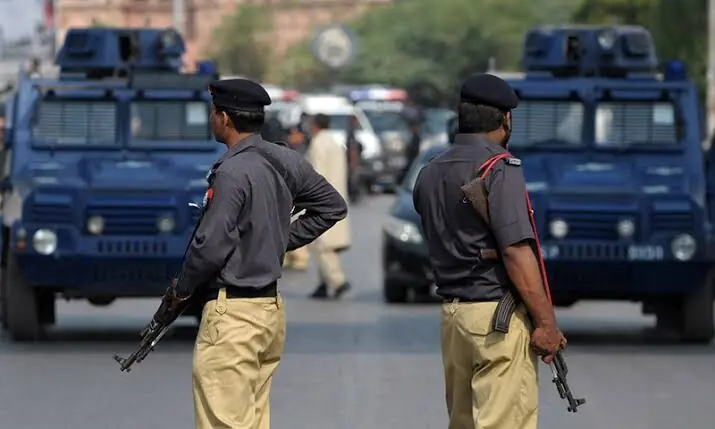
Zubair Baloch, the 40-year-old brother of imprisoned gang leader Uzair Baloch, was critically wounded in a shooting on Chakiwara Road in Karachi's Lyari area on Thursday evening. Two bystanders were also injured in the attack and were transported to Civil Hospital Karachi, with one reportedly in serious condition. Police stated that Zubair Baloch was sitting outside his home when assailants on a motorcycle opened fire before fleeing. He sustained multiple gunshot wounds to his chest and abdomen and was undergoing surgery. According to Deputy Inspector General Syed Asad Raza, Zubair Baloch had been arrested in seven criminal cases in 2012 and was released in January 2025. The police are investigating potential motives, including gang rivalry and personal enmity. A local social activist, speaking anonymously, suggested Zubair Baloch had recently joined a political party and displayed its flags in the neighborhood. Rumors circulating in Lyari indicate that some gangsters who had previously fled the city have returned, raising concerns among residents about a potential resurgence of gang violence. The attackers reportedly had their faces covered and fled when a shopkeeper returned fire. Uzair Baloch himself faces ongoing legal challenges, with an anti-terrorism court having rejected his bail applications in March for murder and other charges. He was previously convicted of espionage by a military court in April 2020 and sentenced to 12 years imprisonment.
This incident highlights the persistent challenges of organized crime and gang influence in urban centers like Karachi, even after significant law enforcement operations. The renewed violence involving individuals connected to past gang leadership suggests that underlying issues of power vacuums and territorial disputes may remain unresolved. The reported return of individuals previously exiled to foreign countries, potentially influenced by geopolitical shifts, could signal a destabilizing factor. The involvement of political affiliations, as suggested by a local activist, adds another layer of complexity, raising questions about the intersection of criminal elements and political structures. Future stability in Lyari will likely depend on addressing the root causes of gang resurgence, including socio-economic factors and the effectiveness of ongoing governance and security strategies in preventing the re-establishment of criminal networks.
AI-generated to prompt reflection — not editorial opinion, not advice, not a statement of fact. How this works.