Brothers on Trial for 'Professional' Hit on Gambling Boss Fernando Iggnácio
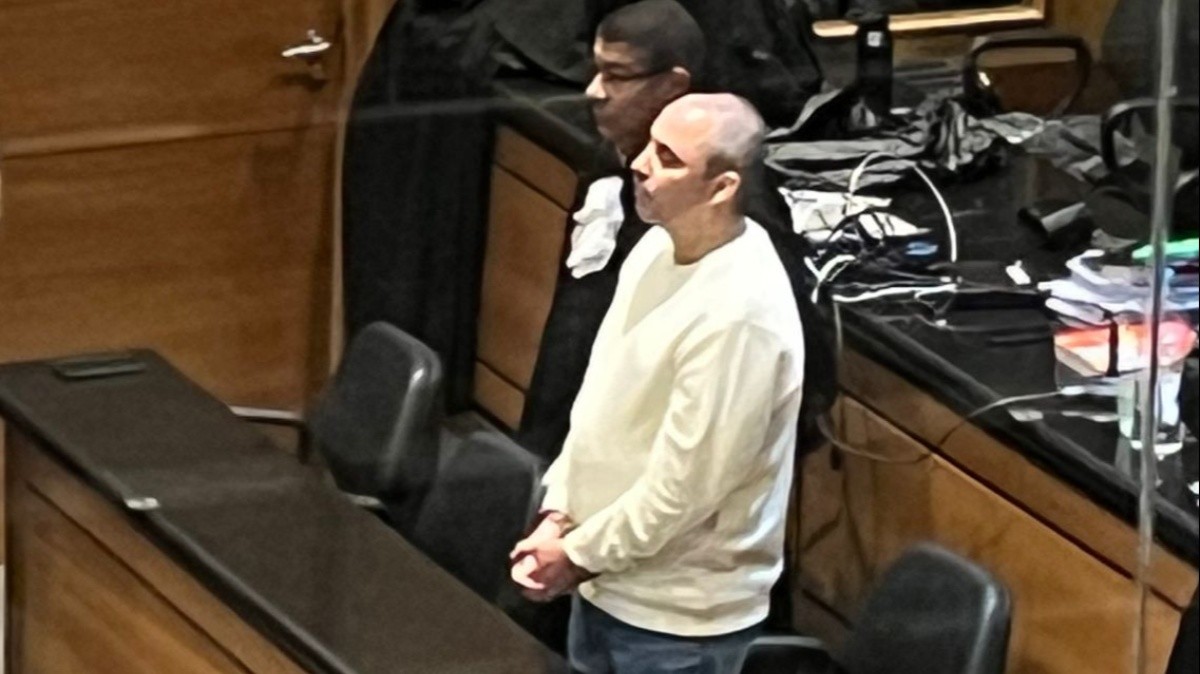
A jury trial has begun in Rio de Janeiro for two brothers, Pedro and Otto Samuel D'Onofre Andrade, accused of the triple-homicide of gambling kingpin Fernando Iggnácio. Prosecutors allege the murder, which occurred on November 10, 2020, was meticulously planned and carried out by professional assassins, some of whom were former military police officers. Prosecutor Andréa Fava highlighted the "nefarious aspect" of law enforcement agents being "co-opted by the big mafia of illegal gambling," specifically mentioning Rogério Andrade, who is accused of ordering the hit. Rodrigo Silva das Neves, a former police officer, has already been convicted of the murder and sentenced to over 32 years. Márcio Araújo de Souza, described as Rogério Andrade's right-hand man, is also implicated and faces separate charges. Evidence presented includes testimony suggesting Pedro D'Onofre Andrade conducted a helicopter reconnaissance flight of the victim's arrival location three days before the murder. Digital evidence from Pedro's cloud storage reportedly contained images of the crime scene and uniforms used, dating back to January 2020, indicating extensive preparatory acts. Investigators also revealed that the brothers may have been concerned about security camera footage after the crime. The victim, Fernando Iggnácio, was a rival of Rogério Andrade in a violent dispute over the inheritance of gambling boss Castor de Andrade.
This trial highlights the complex intersection of organized crime and state institutions, specifically the alleged infiltration of law enforcement by illegal gambling syndicates. The prosecution's emphasis on former police officers acting as "professional assassins" points to systemic vulnerabilities where individuals entrusted with public safety may be compromised by illicit financial incentives. Examining the alleged "co-optation" through the lens of incentive structures is crucial; understanding how financial gains from illegal operations can outweigh the risks associated with corruption is key. The prosecution's detailed timeline of alleged reconnaissance and preparatory acts suggests a long-term strategic planning process, underscoring the operational sophistication of these criminal organizations. Future analysis should consider the efficacy of internal oversight mechanisms within law enforcement agencies and the broader societal impact of such alleged corruption on public trust and the rule of law.
AI-generated to prompt reflection — not editorial opinion, not advice, not a statement of fact. How this works.