Brown Tree Snakes Thrive Despite Inbreeding, Genetic Study Reveals
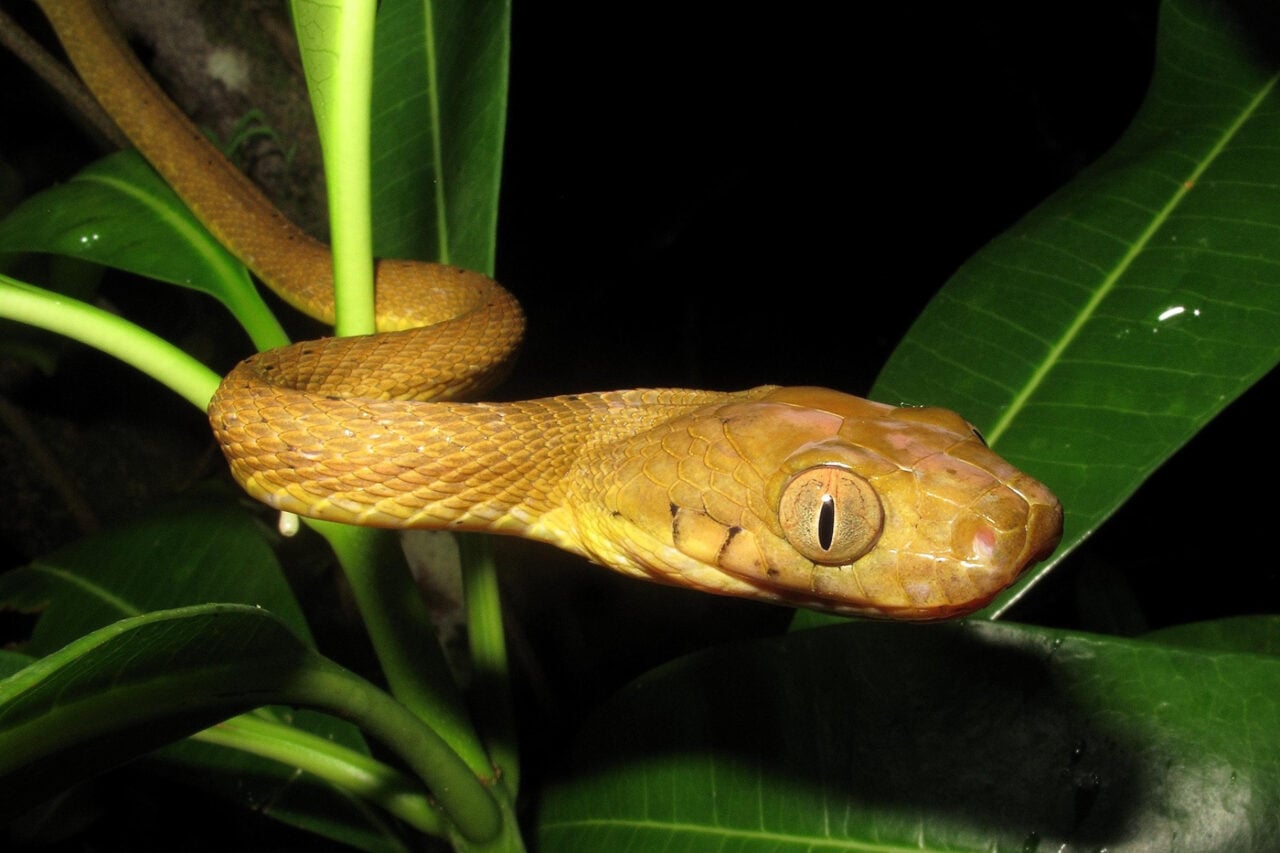
A recent genetic study has uncovered surprising resilience in the invasive brown tree snake population. Researchers examined the genome of these snakes and discovered that despite significant levels of inbreeding, their genetic makeup has managed to adapt and persist. This finding challenges expectations that inbreeding would lead to a decline in the species' fitness. The study indicates that the brown tree snake's genes have found mechanisms to overcome the potential drawbacks of close-mating. This adaptability is a key factor in their successful establishment and spread as an invasive species. The implications of this genetic adaptability are significant for understanding and managing invasive species. Further research into these genetic strategies could inform future conservation and control efforts. The study highlights the complex evolutionary pathways that can allow species to thrive even under challenging genetic conditions.
This genetic study on the brown tree snake reveals a fascinating case of evolutionary adaptation. The finding that high levels of inbreeding have not hindered the species' genetic vitality suggests that natural selection may be favoring specific genetic mechanisms for resilience. This outcome prompts consideration of the long-term evolutionary pressures that shape invasive species' success. Understanding these genetic pathways could offer insights into how other populations might adapt to environmental challenges or genetic bottlenecks in the future. The study's findings underscore the dynamic nature of genetics and evolution, particularly in species that have successfully colonized new environments.
AI-generated to prompt reflection — not editorial opinion, not advice, not a statement of fact. How this works.