BTP Completes Revitalization of Valongo Park's Warehouse 3 in Santos
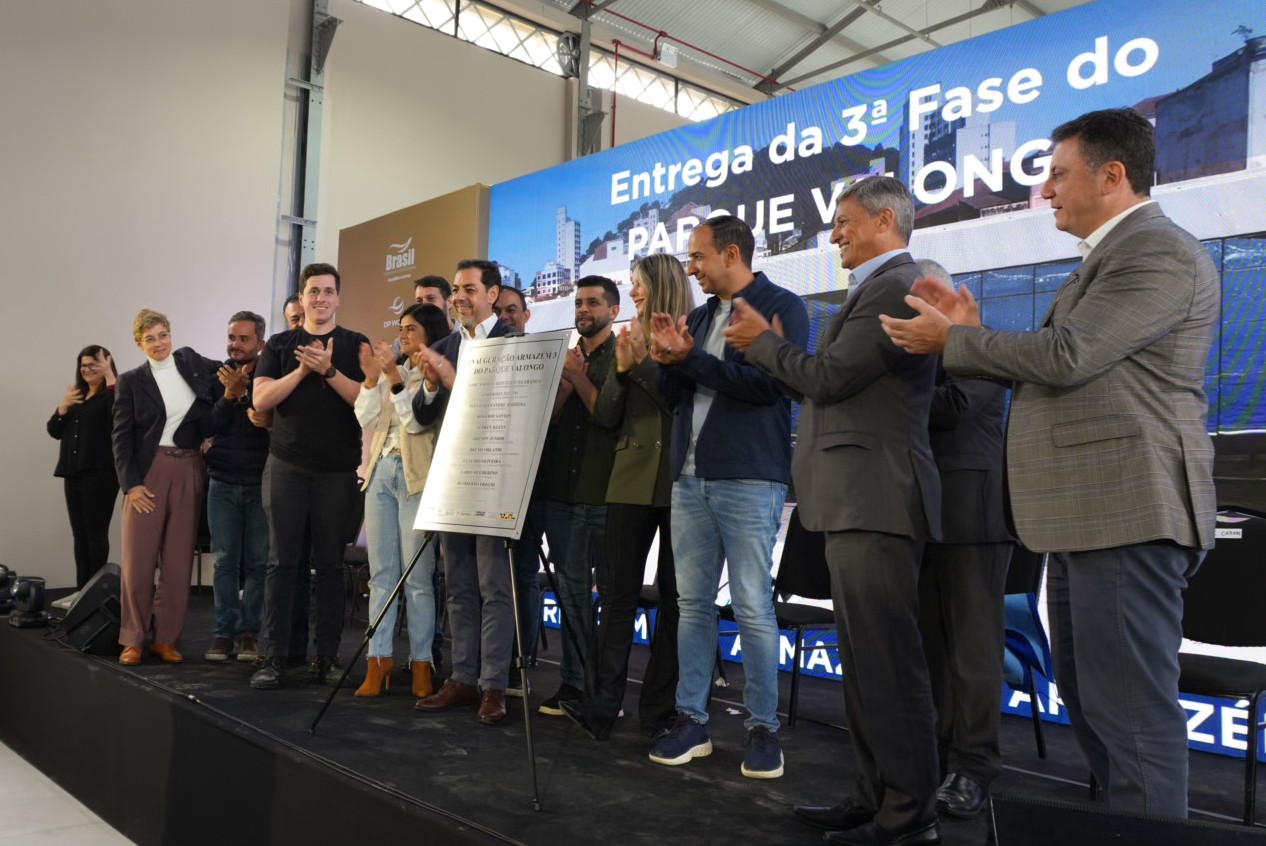
Brasil Terminal Portuário (BTP), a major container terminal operator in Latin America, has finalized the revitalization and modernization of Warehouse 3 at Valongo Park in Santos. This project marks the completion of BTP's commitments made under a public-private agreement, following the earlier delivery of a polyclinic in Vila Gilda and a youth center in January 2025. The official handover ceremony was attended by BTP executives, municipal authorities, the Santos Port Authority (APS), and local community members. The renovated Warehouse 3, spanning over 2,000 square meters, has been transformed into a versatile space designed to host large-scale events and serve as a cultural and tourist hub, aiming to strengthen the port-city relationship. BTP's Director-President, Cláudio Oliveira, emphasized that the project demonstrates the interconnectedness of the port and the city, preserving historical elements while integrating modern architectural solutions. Engineer Cristhiane Vojevodovas highlighted the careful balance between maintaining the original structure, including historic wooden trusses, and incorporating contemporary features like acoustic cladding and glass facades for visual integration with the port. The revitalization work, which began in August 2025, was funded by BTP as part of a R$36.7 million agreement for mitigating and compensatory measures related to its operational licensing. This agreement stipulated two main deliverables, with the warehouse being the second, reinforcing BTP's commitment to generating positive social impact in the Baixada Santista region.
The revitalization of Warehouse 3 at Valongo Park by BTP represents a tangible outcome of corporate social responsibility initiatives tied to port operations licensing. This public-private partnership model, where infrastructure improvements are linked to operational concessions, can foster symbiotic development between industrial entities and urban centers. The project's success hinges on its ability to balance historical preservation with modern functionality, creating a space that serves both cultural and economic purposes. Looking ahead, such initiatives highlight the evolving expectations for large-scale industrial operators to contribute to urban regeneration and community well-being, moving beyond purely economic contributions. This approach could serve as a blueprint for other port cities seeking to integrate their industrial waterfronts with public access and cultural amenities, thereby enhancing the overall urban fabric and fostering a more cohesive port-city identity in the long term.
AI-generated to prompt reflection — not editorial opinion, not advice, not a statement of fact. How this works.