Bucharest Implements New Waste Management: Food Scraps Separated, Landfill Target Reduced
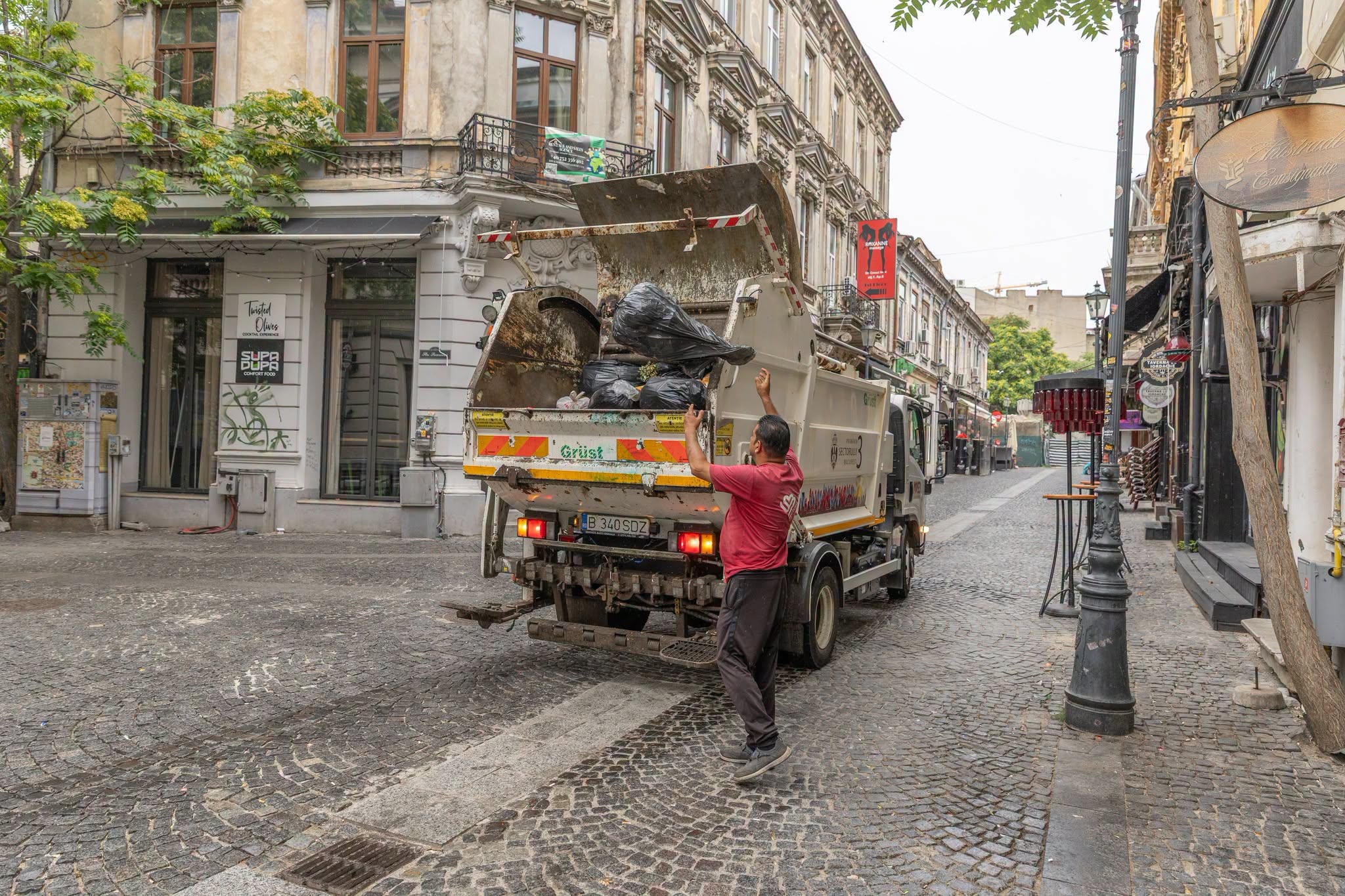
Bucharest's City Hall announced on Tuesday that city councilors have approved a new regulation and two strategies for the sanitation and integrated waste management services. Key changes include the separate disposal of food scraps from general household waste and the transport of used cooking oil and old household items like furniture, mattresses, and appliances to Voluntary Collection Centers. Municipal representatives stated that these provisions are mandatory for implementation across the capital. Furthermore, the city aims to reduce the amount of waste sent to landfills to only 10% by the year 2035. This initiative represents a significant shift in how the city handles its waste, emphasizing source separation and dedicated collection points for specific waste streams.
Bucharest's new waste management strategy introduces a tiered approach to waste separation, aiming to divert significant portions of waste from landfills. The mandate to separate food scraps and collect specific items like used oil and bulky waste reflects a growing global trend towards circular economy principles. The ambitious target of reducing landfill waste to 10% by 2035 necessitates substantial investment in infrastructure for sorting, recycling, and potentially waste-to-energy facilities. Success will depend on effective public education campaigns, consistent enforcement, and the development of robust markets for recycled materials. The transition poses challenges in terms of public compliance and the logistical complexities of managing diverse waste streams, but it aligns with broader environmental sustainability goals and could foster new green industries within the city.
AI-generated to prompt reflection — not editorial opinion, not advice, not a statement of fact. How this works.
