Budapest's Rákosrendező Development to Proceed, Including Demolition of Occupied Buildings
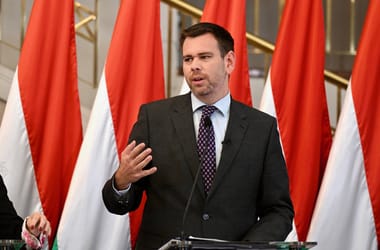
The demolition of buildings occupied by squatters at Rákosrendező in Budapest is set to begin, paving the way for a major development project. Minister of Transport and Investment János Vitézy announced that the government will also save the Museum of Transport. This development signifies a step forward in revitalizing the Rákosrendező area, which has long been slated for significant urban renewal. The project aims to transform the site into a modern district with new residential, commercial, and public spaces. The intervention addresses the issue of unauthorized occupation of several structures on the site, clearing the path for planned construction. The government's commitment to preserving the Museum of Transport ensures that a significant cultural institution will remain part of the area's future landscape. This dual focus on urban development and cultural heritage preservation highlights a comprehensive approach to the Rákosrendező transformation. The demolition is expected to commence shortly, marking the start of a new chapter for this important Budapest location.
The planned demolition and redevelopment of Rákosrendező, including the removal of occupied structures, represents a complex urban planning challenge. It balances the imperative for urban renewal and economic development with the rights and needs of existing occupants and the preservation of cultural assets like the Museum of Transport. The government's intervention signals a priority for large-scale development, potentially driven by private investment interests seeking to unlock the value of the prime real estate. Future considerations will involve ensuring equitable outcomes for displaced individuals and integrating the preserved museum in a way that enhances, rather than detracts from, the new urban fabric. The long-term success will hinge on transparent governance and community engagement throughout the multi-stage development process.
AI-generated to prompt reflection — not editorial opinion, not advice, not a statement of fact. How this works.