Budget Deadline Looms: Government Changes, Development Trends Remain
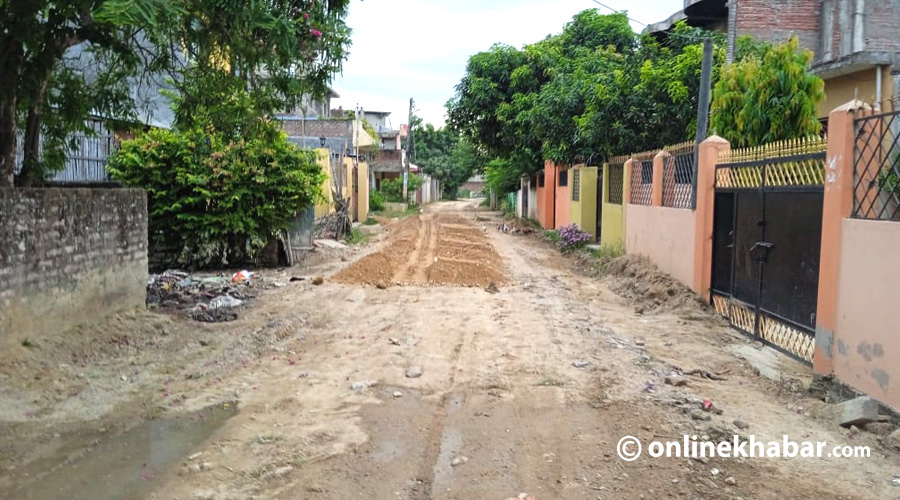
Nepal's development sector appears to be continuing its old pattern of 'Asare development,' characterized by rushed work, overnight concreting, projects lacking information boards, and questions raised about procedural integrity. This trend persists despite changes in government leadership. The urgency to spend allocated budgets before the fiscal year ends often leads to hasty implementation, compromising quality and transparency. Projects are frequently initiated and completed within a very short timeframe, particularly towards the end of the fiscal year, which is commonly known as 'Asare' in Nepal. The lack of proper signage or public information about these projects further fuels concerns about accountability and oversight. These practices raise significant questions about the effectiveness and efficiency of public spending and the overall development strategy.
The recurring pattern of 'Asare development' highlights a systemic issue within Nepal's public financial management, where the pressure to disburse funds by year-end overrides prudent planning and execution. This incentive structure encourages inefficient resource allocation and potentially substandard project delivery. Despite governmental shifts, the underlying administrative and political pressures seem to perpetuate this cycle. Looking ahead, a focus on strengthening procurement processes, enhancing project oversight mechanisms, and fostering a culture of accountability beyond mere budget utilization could lead to more sustainable and impactful development outcomes. Addressing these structural inefficiencies is crucial for long-term national progress.
AI-generated to prompt reflection — not editorial opinion, not advice, not a statement of fact. How this works.