Budget Spending Habits Persist Despite Efforts by Finance Ministers
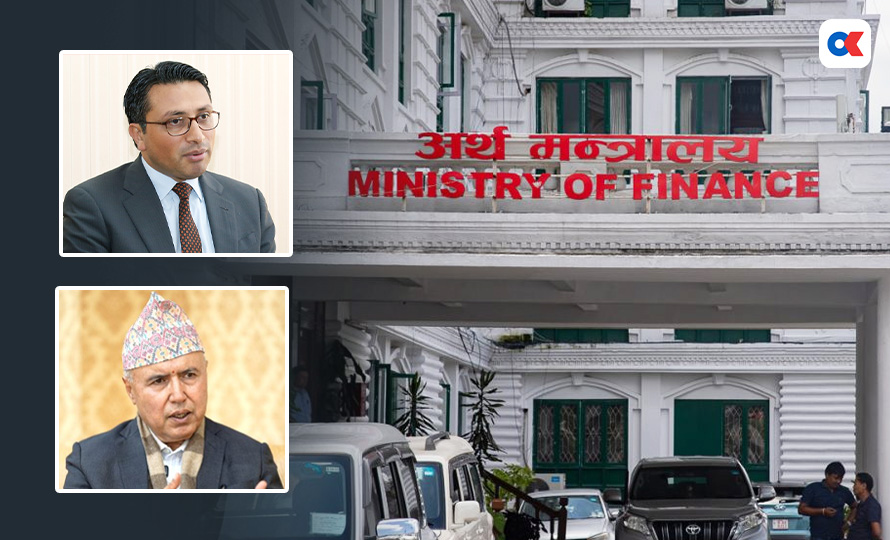
Despite the efforts of two finance ministers, a problematic trend of "Asare budget spending" persists in Nepal. This practice involves proposing minimal budgets for projects that have already secured resource agreements. Subsequently, new projects are proposed within the allocated budget limits, leading to an increase in the total number of projects. This expansion of project scope creates significant liabilities that become difficult to manage and pay off. The core issue lies in the inefficient allocation and management of funds, where initial proposals do not accurately reflect the true resource needs. This leads to a cycle of overcommitment and financial strain. The government faces challenges in meeting its financial obligations due to this persistent spending pattern. Addressing this requires a fundamental shift in budget planning and execution.
The described budget execution pattern suggests a systemic issue within Nepal's public financial management, potentially driven by incentives to initiate new projects over completing existing ones. This "Asare budget spending" tendency, where resource-constrained projects receive minimal initial funding and new initiatives expand the overall commitment, creates fiscal pressure and hampers efficient development. Future fiscal reforms should consider strengthening project appraisal mechanisms, enforcing stricter budget adherence, and potentially re-evaluating performance metrics for government agencies to prioritize project completion and fiscal responsibility over project initiation volume. This approach could foster more sustainable public investment and reduce the likelihood of unmanageable financial liabilities.
AI-generated to prompt reflection — not editorial opinion, not advice, not a statement of fact. How this works.