Budget Underspending Offers Savings Opportunity, Expert Suggests
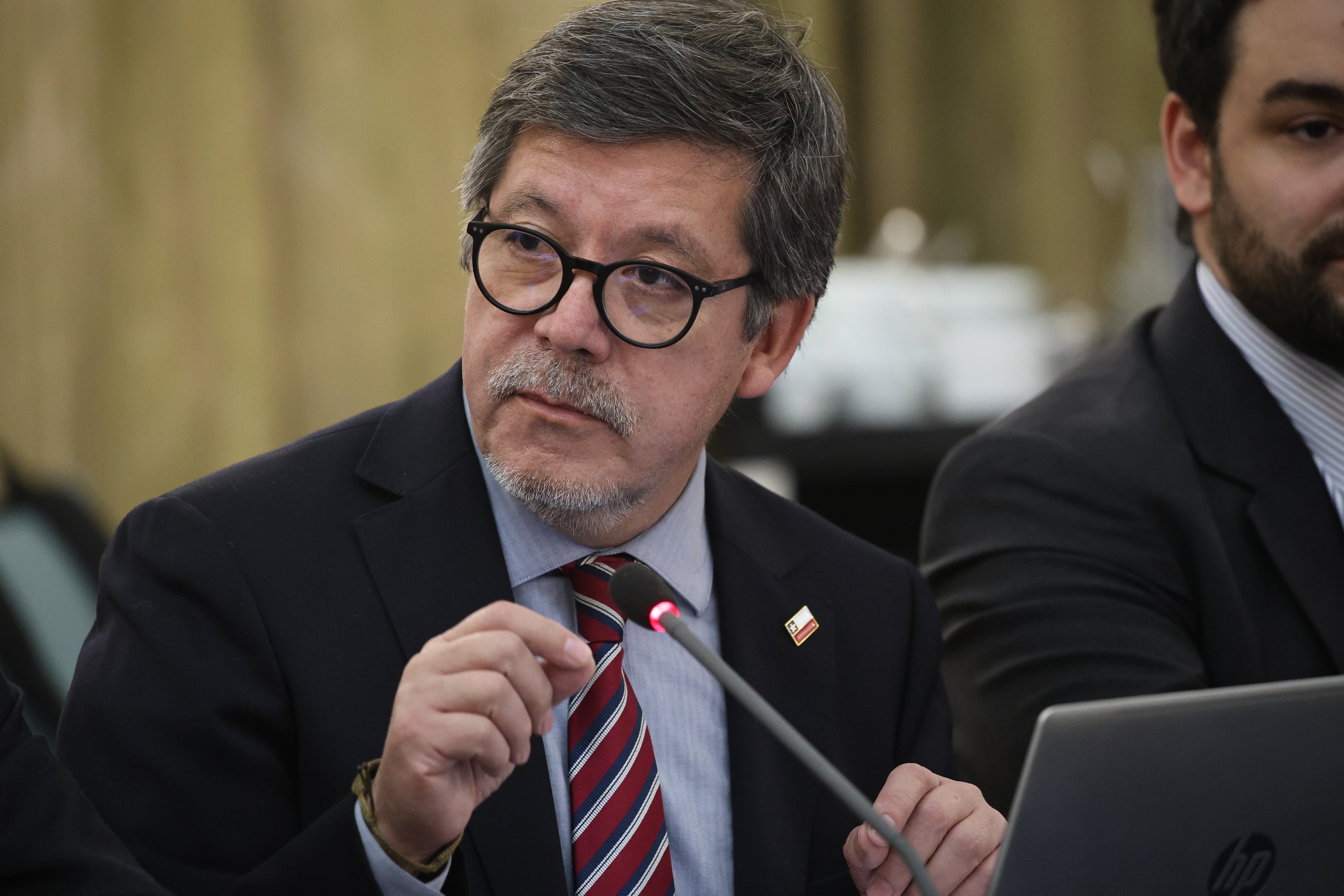
Gastón Concha, a Professor of Public Management, has highlighted budget underspending as a significant, underexplored source of savings for public institutions facing fiscal constraints. He identifies two primary reasons for underspending: firstly, the failure of public departments to fully utilize allocated funds for certain budget items, which should be avoided. Secondly, underspending can occur even when all planned expenses are met, resulting in a surplus. This surplus may arise from lower-than-anticipated prices, discontinued programs, or improved management efficiency. However, a common perception is that departments overestimate their budgets, leading to a potential reduction in future allocations, often termed a 'punishment'. This fear encourages a 'spending spree in December' to meet obligations and utilize any remaining funds before they are lost. The Fiscal Observatory notes that approximately 16% of the annual budget is spent in December, often in a rushed manner. Concha proposes that the Directorate of Budget (Dipres) monitor these year-end expenditures and implement incentives to curb this excessive spending. Such measures would allow surplus funds to be returned to Dipres, thereby increasing overall savings and expenditure efficiency. He conservatively estimates that these savings could amount to approximately $200 million USD annually, which would provide a substantial boost to the nation's limited treasury.
The observed 'December spending spree' phenomenon, driven by a fear of future budget cuts rather than genuine need, represents a systemic inefficiency in public financial management. This behavior incentivizes the depletion of funds, contradicting the goal of fiscal responsibility and potentially masking true resource requirements. Implementing performance-based budgeting and multi-year financial planning could mitigate this 'use-it-or-lose-it' mentality. By decoupling underspending from future budget reductions and rewarding efficient resource management, public entities might be encouraged to retain and reallocate surplus funds more strategically. This shift could foster greater accountability and optimize the use of taxpayer money, aligning fiscal practices with long-term economic stability and national development objectives in the coming decade.
AI-generated to prompt reflection — not editorial opinion, not advice, not a statement of fact. How this works.