Buenolândia Recognized as Site of Goiás's First Portuguese Community
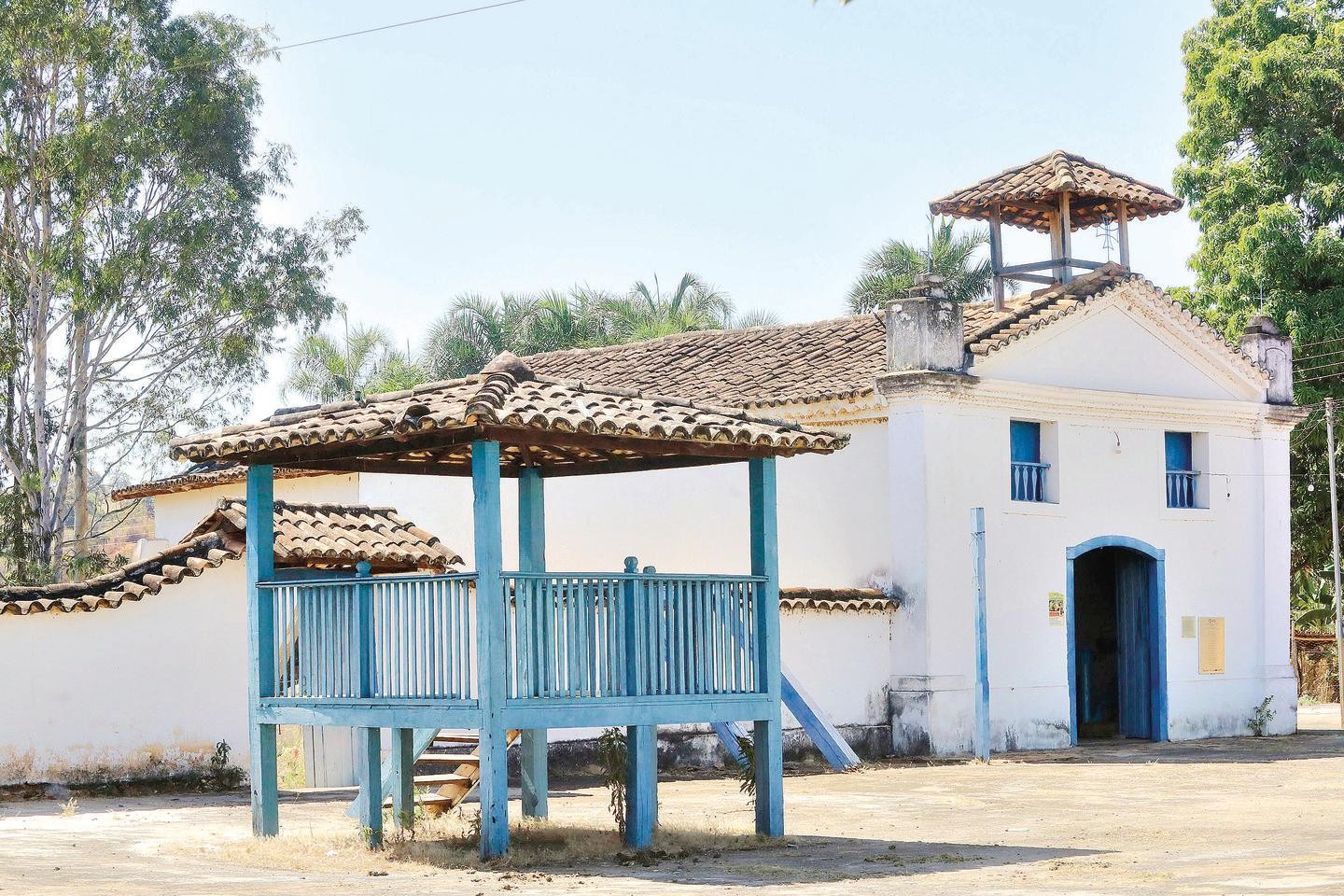
Buenolândia, a district within the city of Goiás, is being recognized by researchers as the location of the first Portuguese community established in the state of Goiás, Brazil. This year marks the 300th anniversary of the settlement, formerly known as Arraial da Barra, which is now considered the starting point of Portuguese occupation in the region. Historian Luciana Helena Alves da Silva emphasizes that this tricennial milestone offers an opportunity to broaden the understanding of Goiás's formation, advocating for the inclusion of the indigenous peoples who originally inhabited the area alongside the Portuguese narrative. She suggests that such dates should prompt reflection on the past, present, and ongoing construction of the state's history. A key symbol of Buenolândia is the confluence of the Vermelho and Bugre rivers, situated near the Igreja de Nossa Senhora do Rosário. This strategic location, even predating the settlement and gold exploration, served as a crucial reference point for expeditions traversing Brazil's interior, making the former Arraial da Barra a significant hub for Portuguese expansion in Goiás. The district also holds historical ties to figures like Bartolomeu Bueno da Silva, known as Anhanguera, and preserves memories of early gold mining and local identity through oral traditions passed down through generations. Recent efforts by residents, academics, universities, and government bodies have bolstered Buenolândia's recognition as the 'Marco Zero' (Ground Zero) of Goiás, leading to the establishment of a 'Marco Zero' festival and projects aimed at preserving the district's heritage and identity.
The recognition of Buenolândia as the site of the first Portuguese community in Goiás highlights the enduring significance of historical settlements and their role in shaping regional identity. This narrative, however, invites a broader examination of historical accounts to ensure a more inclusive representation that acknowledges the pre-colonial indigenous presence. Future historical preservation and tourism initiatives could benefit from integrating diverse perspectives, fostering a more complete understanding of the state's origins. Considering the long-term trajectory of historical interpretation, Buenolândia's designation as 'Marco Zero' may evolve as new research emerges, potentially shifting focus towards the complex interplay of cultures and the long-term impacts of colonization on both indigenous populations and subsequent settlers.
AI-generated to prompt reflection — not editorial opinion, not advice, not a statement of fact. How this works.