Buenos Aires Minister Accuses Milei of Electoral Manipulation Ahead of Re-election Bid
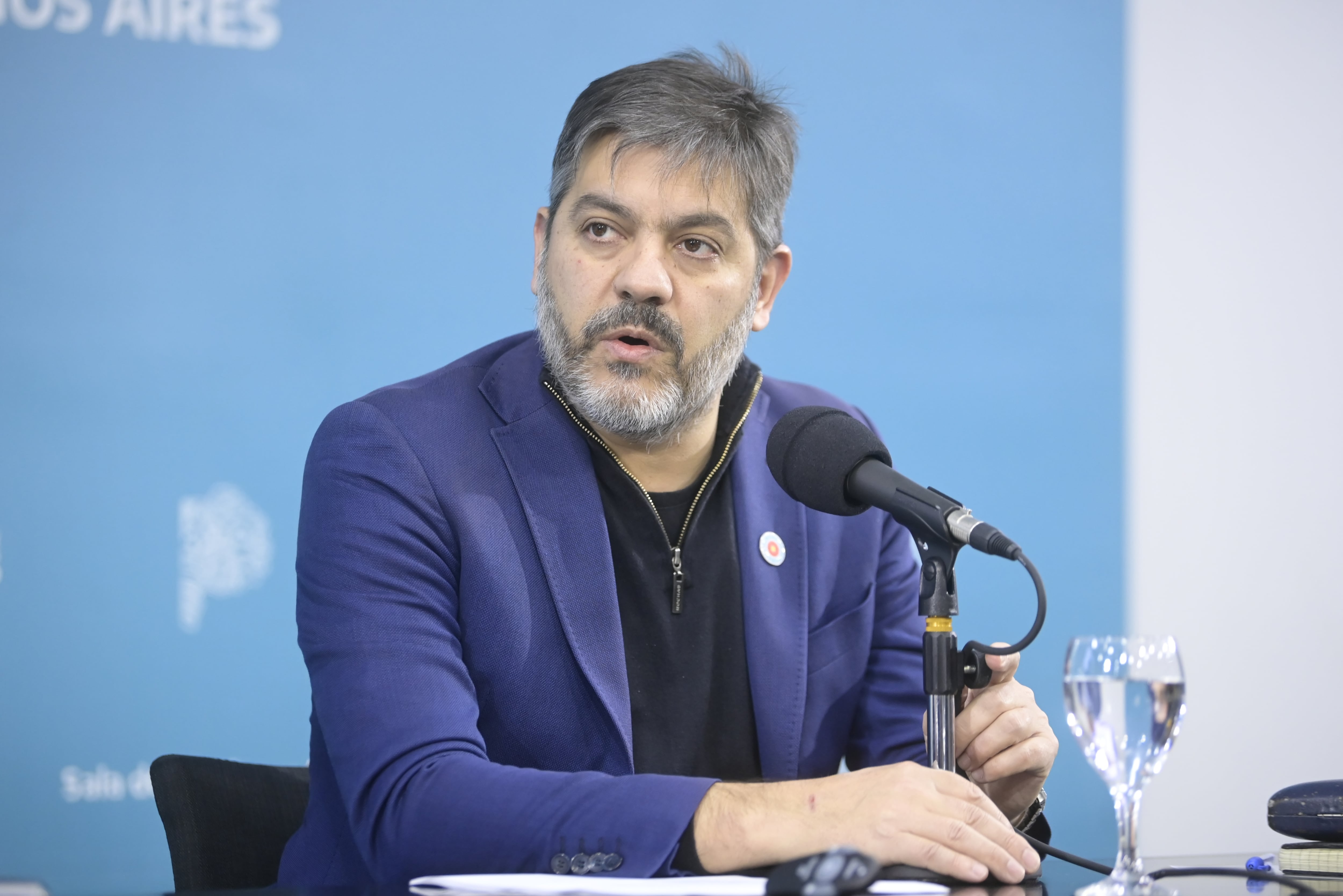
Carlos Bianco, a minister serving under Buenos Aires Governor Axel Kicillof, has accused Argentine President Javier Milei of attempting to manipulate the electoral system. Bianco specifically rejected proposals to suspend or eliminate the PASO (Primary, Open, Simultaneous Elections) and to allow "colectoras" (lists that can support multiple presidential candidates). These electoral reforms are reportedly being pushed by a faction within Milei's government. Bianco's statements indicate a significant political dispute over the rules governing future elections in Argentina. The proposed changes could fundamentally alter how presidential candidates are nominated and elected. The minister's strong opposition suggests concerns about fairness and the integrity of the democratic process. This development highlights the ongoing political tensions and strategic maneuvering within Argentina's government as potential re-election campaigns loom.
The proposed electoral reforms, including the potential elimination of PASO and the introduction of colectoras, warrant scrutiny through the lens of electoral integrity and democratic participation. While proponents may argue for increased efficiency or broader candidate representation, critics raise concerns about potential manipulation that could favor incumbent power or specific political factions. Such changes could concentrate electoral power, potentially reducing voter choice and the influence of grassroots movements. Examining the incentives driving these proposed reforms, particularly in the context of an upcoming re-election bid, is crucial for understanding their impact on Argentina's political landscape over the next decade. Ensuring a transparent and equitable electoral framework remains paramount for fostering public trust and robust democratic governance.
AI-generated to prompt reflection — not editorial opinion, not advice, not a statement of fact. How this works.