Buenos Aires' Top Restaurant Defies Steak Culture by Focusing on Other Meats
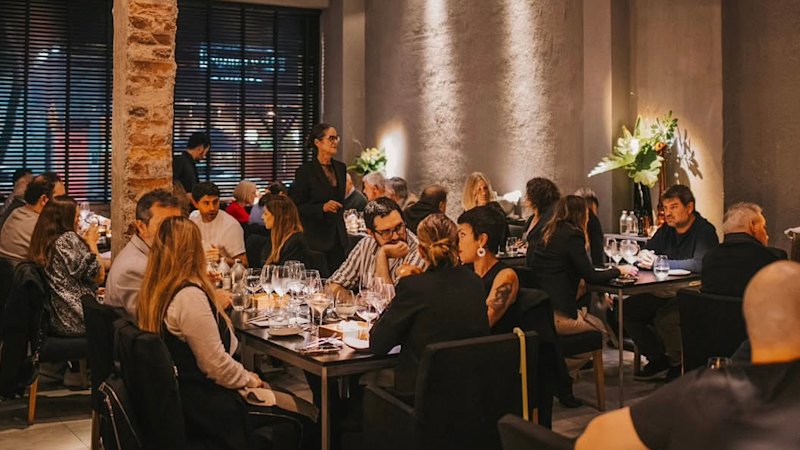
In a city renowned for its deep-seated love of beef, a highly acclaimed restaurant is making waves by deliberately eschewing steak. The establishment, located in Buenos Aires, has earned the distinction of being the city's best restaurant despite not specializing in the national culinary staple. This deliberate choice challenges the prevailing steak-centric culture that defines much of Argentine gastronomy. The restaurant's success suggests a growing appetite for culinary diversity and innovation, even within a tradition as strong as Argentina's beef consumption. It highlights that excellence in the food industry can be achieved through a focus on quality ingredients and skillful preparation, regardless of whether those ingredients are beef. This approach may signal a broader shift in fine dining, where chefs are increasingly exploring alternative proteins and culinary techniques to offer unique experiences. The restaurant's decision to move away from beef could influence other establishments to reconsider their menus and embrace a more varied approach to their offerings. It demonstrates that a restaurant can achieve top accolades by prioritizing other meats and culinary creativity over traditional expectations.
This development in Buenos Aires' culinary scene highlights a fascinating tension between deeply ingrained cultural traditions and the evolving dynamics of the global food industry. The restaurant's success in a steak-obsessed city by pivoting away from beef suggests that market preferences are not static and can be influenced by innovative offerings. This challenges the assumption that adherence to traditional consumption patterns is the sole path to success. From a systemic perspective, this could indicate a growing consumer interest in diverse protein sources, potentially driven by factors such as health consciousness, environmental concerns, or a simple desire for novelty. The restaurant's strategy demonstrates how a business can leverage a contrarian approach to capture attention and build a strong brand identity. Looking ahead, this could encourage other food businesses to explore niche markets and differentiated product strategies, rather than relying solely on established cultural norms. It prompts consideration of how future food systems might accommodate a wider range of dietary preferences and sustainability goals.
AI-generated to prompt reflection — not editorial opinion, not advice, not a statement of fact. How this works.