Building a Community 'Muslim Reading Center' from Scratch
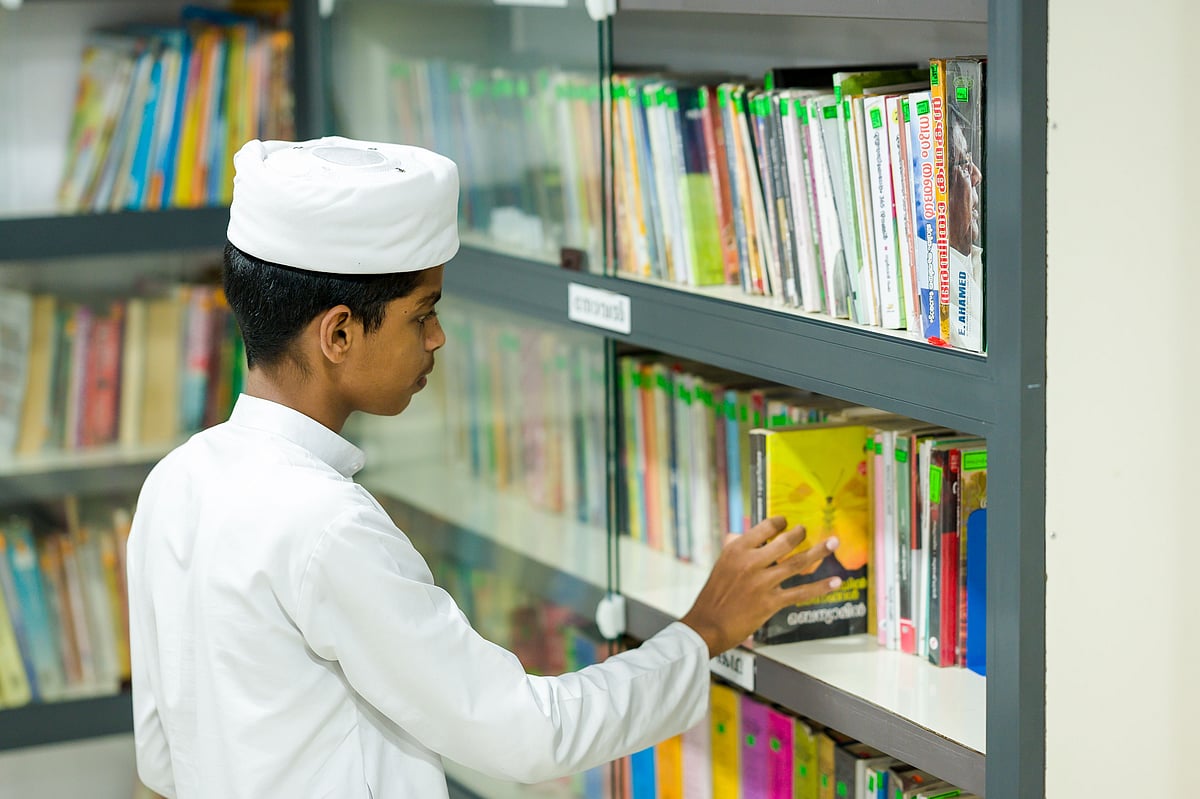
Inspired by the foundational Islamic principle of 'Iqra' (Read), which spurred the development of a rich reading culture in Muslim civilization, this article details the experience of establishing a neighborhood-based 'Muslim Reading Center.' The author contrasts the historical grandeur of libraries like Baghdad's House of Wisdom with the current challenges of declining reading habits among youth, often attributed to smartphone overuse. The initiative aims to provide a healthy alternative by offering a diverse collection of books beyond strictly religious texts. The proposed 'Muslim Reading Center' would include not only religious books such as tafsir, hadith, and fiqh, but also healthy fiction, novels, science fiction, and fairy tales that foster life skills and imagination. The author emphasizes that book selection must be discerning, avoiding works that subtly undermine values or mislead young minds, regardless of the author's name. Practical considerations for establishing such a center are discussed, including securing a location—whether within a mosque, madrasa, or a separate space—and obtaining necessary permissions, which may involve navigating mosque committee policies and potential theological differences. Funding strategies are outlined, suggesting contributions from affluent community members, mosque budgets, publishers, and grants from cultural ministries or charitable organizations. Cost-effective book acquisition through old book markets and publisher discounts is also recommended. The article stresses that maintaining the center is a continuous challenge requiring dedication, proper record-keeping, and potentially modern inventory management apps. The crucial role of a committed volunteer is highlighted for daily operations and reader engagement. Ultimately, the vision is for these reading centers to become hubs of healthy community culture, hosting events like storytelling sessions, book reviews, and author interactions, thereby nurturing future generations as thoughtful and pious citizens.
This initiative to establish local 'Muslim Reading Centers' addresses a perceived decline in reading culture, particularly among youth, by offering an alternative to digital distractions. The approach emphasizes a broad definition of 'reading' that includes secular literature alongside religious texts, aiming to foster holistic development. The practical guidance on funding, location, and management highlights the systemic challenges in sustaining community-based cultural projects. The author's caution against selecting books solely based on author identity, and instead prioritizing content that upholds values, reflects a nuanced approach to cultural preservation within a diverse society. The long-term success hinges on consistent effort and community engagement, moving beyond mere book collection to active cultural programming. This model could offer a scalable framework for other communities seeking to revitalize intellectual and cultural life through accessible, locally-driven initiatives.
AI-generated to prompt reflection — not editorial opinion, not advice, not a statement of fact. How this works.