Building at Netherlands' Lowest Point Faces Scrutiny Over Smartness, Not Just Feasibility
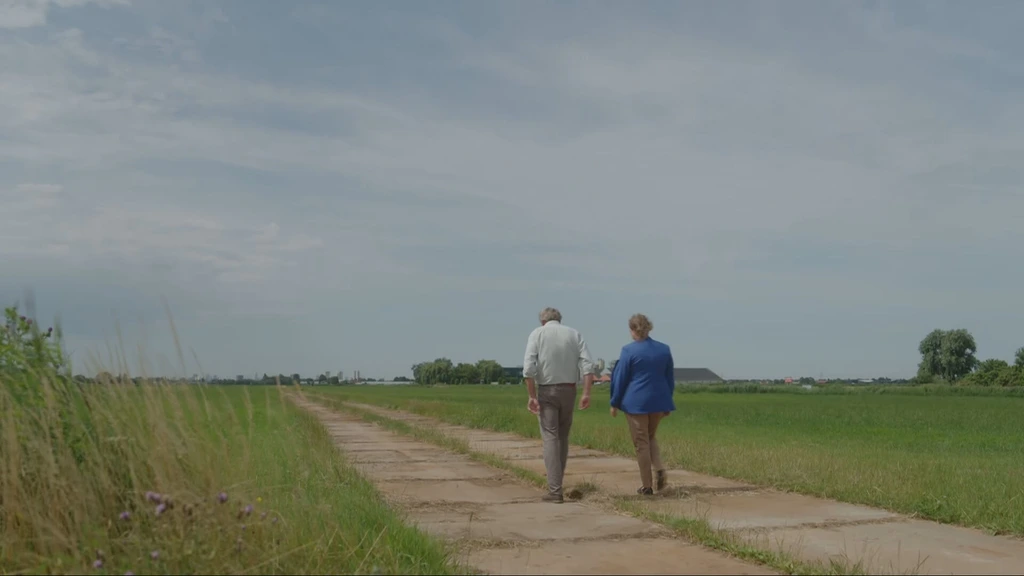
Plans to construct a new village named Cortelande in the Zuidplaspolder, near Gouda, at the lowest point in the Netherlands (over 6 meters below sea level), have been fraught with conflict. A significant dispute arose between the municipality of Zuidplas and the water board, escalating to the Council of State. The core disagreements centered on water safety, climate resilience, and water management. A mediator was appointed by a former minister to resolve the severe strain on the relationship between the two governmental bodies. The water board is now expected to withdraw its appeal to the Council of State, potentially resolving the conflict this week.
Despite potential agreement on building conditions, the project faces substantial challenges due to the area's soft, subsiding soil and flood risks. Experts like Floris Boogaard from Deltares question the strategic wisdom of building conventionally in such a low-lying, climate-vulnerable area. He emphasizes that while technically feasible, regular construction might push boundaries too far, especially given the upward water pressure and potential ground heaving on soft soil. Boogaard suggests alternative approaches like water storage areas with floating homes, amphibious houses, or elevated structures on terpen (artificial mounds).
Local council members, such as Annika van Gerwen-Westerling (VVD) and Martin Damen (Pro), acknowledge the challenges but express confidence in innovative techniques and the long-term viability of the 8,000 planned homes. They believe the site can remain safe for over a century, comparing the risks to those in other parts of the Netherlands below sea level. They trust the process and believe that if building were truly irresponsible, authorities would intervene. However, the sensitivity of the ongoing process is highlighted by the refusal of the involved alderman and water board to comment to the media until the appeal withdrawal is finalized.
The development of Cortelande at the Netherlands' lowest elevation presents a complex interplay between housing demand, technological capability, and long-term environmental sustainability. While the technical feasibility of construction is acknowledged, the strategic and climate-resilient implications warrant careful consideration beyond immediate needs. The project's location at a significant depth below sea level, coupled with ongoing land subsidence and the intensifying impacts of climate change, creates inherent vulnerabilities. Future infrastructural investments must account for the escalating costs of water management and protection, potentially outweighing the benefits of development in such high-risk zones. Exploring adaptive and nature-based solutions, rather than conventional building practices, could offer a more sustainable path forward, aligning with the Netherlands' long-term adaptation strategies for a changing climate and water landscape.
AI-generated to prompt reflection — not editorial opinion, not advice, not a statement of fact. How this works.