Building Society in the AI Era: Prioritizing Human Capabilities
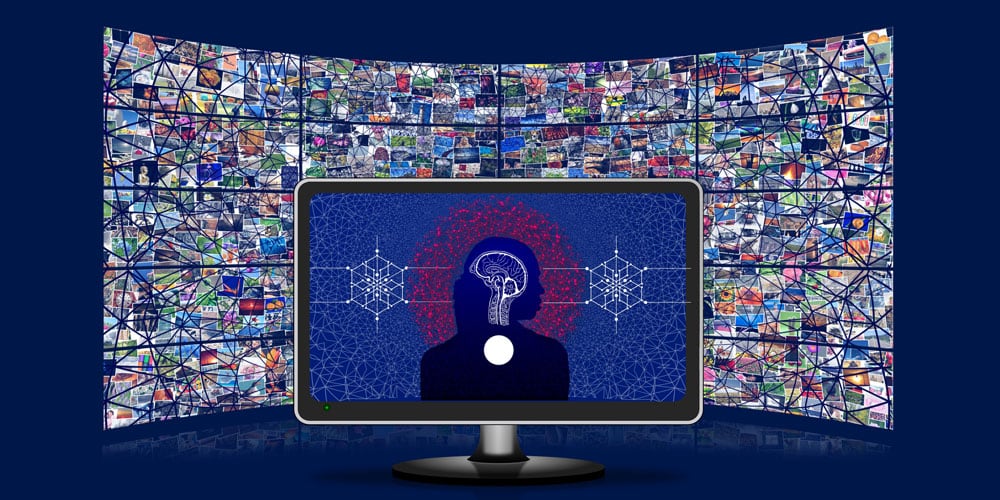
As artificial intelligence provides unprecedented access to information and solutions, a critical question arises: how should society adapt? While AI can generate convincing data and arguments, it does not equate to knowledge or replace human judgment. The focus must shift from AI's capabilities to developing essential human skills like critical thinking, discernment, creativity, and adaptability. Pope Leo XIV's recent encyclical, 'Magnifica Humanitas,' warns of a significant "change of epoch," urging communities not to let rapid transformations dictate their future but to actively question their direction.
The concern has evolved from machines thinking like humans to humans ceasing to think and relying too heavily on AI, a phenomenon termed "cognitive surrender" by academic Steven D. Shaw. This occurs when individuals delegate reasoning processes to AI, leading to a weakening of their own cognitive abilities. In an era where knowledge access is democratized, unique human capacities such as critical thinking, creativity, soft skills, flexibility, continuous learning, and collaboration become paramount differentiators.
This transition is particularly urgent given growing labor market uncertainty. While discussions often center on job displacement due to technological revolutions, the crucial question is whether individuals, especially young workers entering an unpredictable future, are being adequately prepared. Addressing this responsibility requires a collective effort: individuals must commit to lifelong learning, universities must adapt curricula, companies must invest in retraining and continuous development, and public policies must ensure this transition does not exacerbate existing inequalities. Ultimately, societies that thrive in this new era will be those that best develop their people, leveraging AI's potential while centering human progress and core values to build a resilient future.
AI's rapid advancement presents a fundamental challenge to human cognition and societal development, shifting the emphasis from information acquisition to the cultivation of uniquely human faculties. The risk of "cognitive surrender" highlights a potential systemic contradiction: technologies designed to augment human capabilities could inadvertently diminish them if not integrated thoughtfully. This necessitates a proactive societal response, moving beyond mere technological adoption to a strategic focus on education, workforce adaptation, and ethical governance. Future success will likely depend not on the sophistication of AI, but on the resilience and adaptability of human capital, requiring deliberate policy choices to ensure equitable transitions and prevent the deepening of societal divides. The core challenge is to harness AI as a tool for human flourishing, rather than allowing it to redefine human agency and societal direction.
AI-generated to prompt reflection — not editorial opinion, not advice, not a statement of fact. How this works.