Bulgarian President Fears Putin May Use Nuclear Weapons, Shifts Ukraine Aid Policy
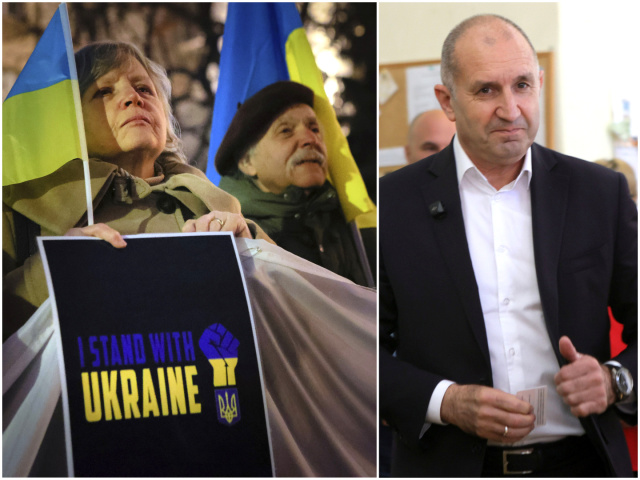
Bulgaria, under its new Prime Minister Rumen Radev, is adopting a policy similar to Slovakia's post-November 2023 government, adopting the slogan 'no bullet for Ukraine for free.' Radev has indicated that military aid to the besieged nation will only be provided on a commercial basis. This shift in Sofia's stance raises questions about its implications for both Kyiv and Moscow. The change suggests a potential re-evaluation of Bulgaria's commitment to supporting Ukraine, moving away from direct military assistance towards a more transactional approach. This could impact Ukraine's ability to secure necessary armaments and influence the broader geopolitical dynamics in Eastern Europe. The new policy may signal a broader trend of European nations reassessing their levels of support for Ukraine amidst evolving political landscapes and economic considerations.
The Bulgarian government's recalibration of military aid to Ukraine, shifting from gratuitous support to a commercial basis, reflects evolving national interests and geopolitical pressures. This policy adjustment, potentially influenced by domestic political shifts and broader European trends, warrants examination through the lens of long-term security architecture and economic sustainability. As nations navigate the complexities of international conflict and resource allocation, such decisions highlight the interplay between strategic alliances, national sovereignty, and the economic viability of sustained military engagement. The move prompts consideration of how future aid mechanisms might be structured to balance humanitarian imperatives with fiscal responsibility, especially in the context of prolonged geopolitical instability and the increasing demands on national defense budgets.
AI-generated to prompt reflection — not editorial opinion, not advice, not a statement of fact. How this works.