Bundesliga: Kompany Praises "Monster" Player with "Great Humor"
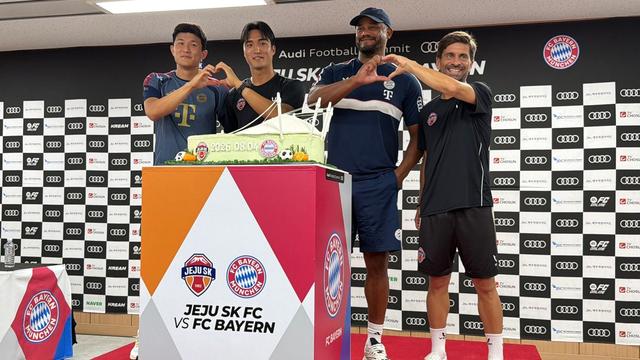
Vincent Kompany, the coach of Bayern Munich, has lauded a player on his team, describing them as a "monster" with "great humor." The specific player was not named in the report, but the praise comes amidst the ongoing Bundesliga season. Kompany's comments highlight a positive dynamic within the team, suggesting strong morale and effective player development. The "monster" moniker likely refers to the player's exceptional performance on the field, possibly in terms of strength, skill, or impact on the game. The mention of "great humor" indicates a well-rounded personality and good team chemistry, which are crucial for sustained success in a competitive league like the Bundesliga. This positive reinforcement from the coach could serve as motivation for the player and the rest of the squad as they navigate the challenges of the season. The team's performance and Kompany's leadership will be closely watched as the Bundesliga progresses.
Coach Vincent Kompany's public praise for an unnamed player, using terms like "monster" and "great humor," serves multiple strategic functions. From a performance perspective, such accolades can bolster player confidence and reinforce desired on-field attributes. The "great humor" aspect suggests an emphasis on team cohesion and psychological well-being, recognizing that a positive locker room environment can translate to better results. However, the anonymity of the player leaves room for interpretation; it could be a deliberate tactic to motivate the entire squad or to manage expectations around a specific individual. In the context of the Bundesliga, where team dynamics and player morale are critical, Kompany's approach appears to prioritize both individual excellence and collective spirit. The long-term impact will depend on whether this positive reinforcement translates into consistent performance and sustained team success throughout the season.
AI-generated to prompt reflection — not editorial opinion, not advice, not a statement of fact. How this works.
