Bundeswehr Faces Personnel Shortages Amidst Expansion Goals
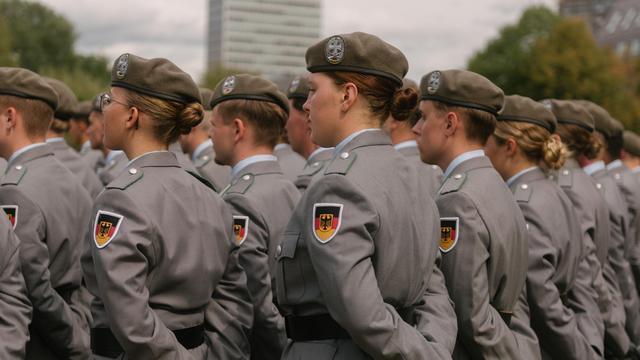
The German armed forces, the Bundeswehr, are facing significant personnel challenges as they aim to expand. Despite efforts since Boris Pistorius took office as Defense Minister, the net increase in soldiers has been a mere 2,300. This growth falls short of the ambitious expansion plans the Bundeswehr requires.
The issue of personnel shortages is not isolated and presents a broader problem for the military's operational readiness and future capabilities. The question of who will operate essential equipment, such as tanks, highlights the depth of the recruitment and retention crisis. Addressing these staffing gaps is crucial for the Bundeswehr to meet its national defense obligations and international commitments.
The Bundeswehr's struggle to attract and retain sufficient personnel, despite stated expansion goals, points to systemic issues in recruitment, training, and potentially retention strategies. The modest net gain of 2,300 soldiers under Minister Pistorius suggests that current incentives or recruitment pipelines may not be adequately addressing the needs of a growing military. This situation raises questions about the long-term sustainability of Germany's defense commitments and its capacity to contribute effectively to international security alliances. Future military planning must consider evolving societal attitudes towards military service, competitive labor markets, and the technological demands of modern warfare, which may require different skill sets and recruitment approaches.
AI-generated to prompt reflection — not editorial opinion, not advice, not a statement of fact. How this works.