Burgohondo Fire Devastates Ecologically Rich Area, Angering Locals Over Resource Shortages
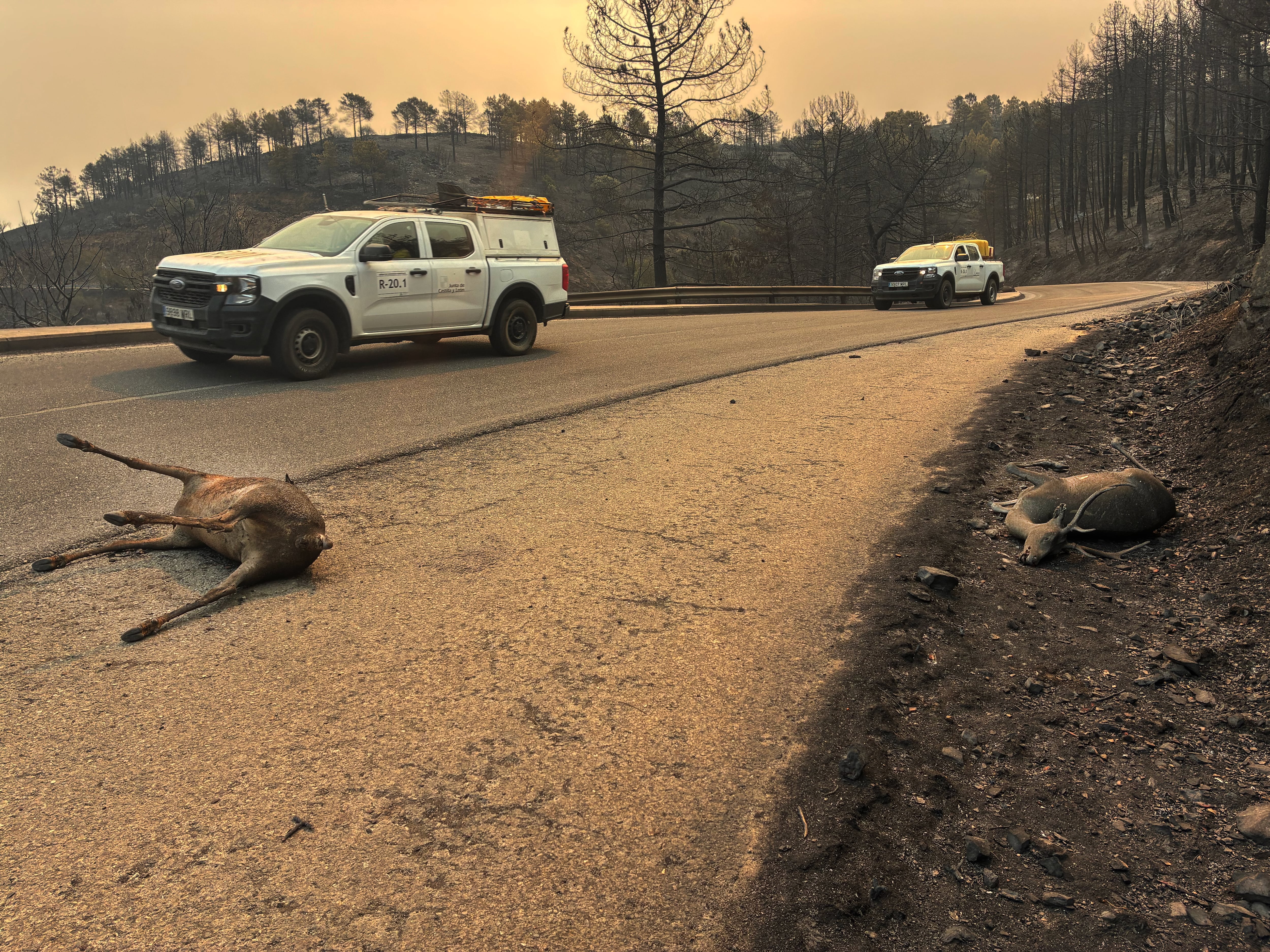
A significant wildfire has ravaged the Valle de Iruelas in Ávila, Spain, an area recognized for its high ecological value. The blaze, originating in Burgohondo, has drawn widespread criticism from local residents who express outrage over what they perceive as insufficient resources deployed to combat the fire. Witnesses described the smoke as a dense black column, reminiscent of burning tires, indicating the intensity and potential hazardous nature of the combustion. The fire's progression through this ecologically sensitive region has raised concerns about its long-term environmental impact. Residents' frustration stems from a perceived lack of adequate firefighting equipment and personnel, leading to a feeling of abandonment and helplessness. The incident highlights a potential disconnect between the needs of rural communities facing environmental emergencies and the allocation of resources by authorities. The scale of the destruction and the community's reaction underscore the urgent need for reassessment of emergency response capabilities in such areas.
The reported wildfire in Valle de Iruelas, Ávila, presents a critical case study in ecological preservation and emergency response effectiveness. The ecological significance of the affected area suggests that rapid containment and robust resource deployment are paramount to mitigate irreversible environmental damage. The residents' indignation points to a potential systemic issue in resource allocation for rural fire services, possibly driven by budgetary constraints or a misjudgment of risk. This situation raises questions about the preparedness of regional authorities to handle large-scale environmental disasters, particularly in ecologically sensitive zones. Looking ahead, such events underscore the increasing importance of climate resilience planning and investment in advanced firefighting technologies and personnel training, especially as environmental conditions may become more conducive to wildfires.
AI-generated to prompt reflection — not editorial opinion, not advice, not a statement of fact. How this works.