Buri, Brazil Celebrates Cassava's Cultural and Economic Significance
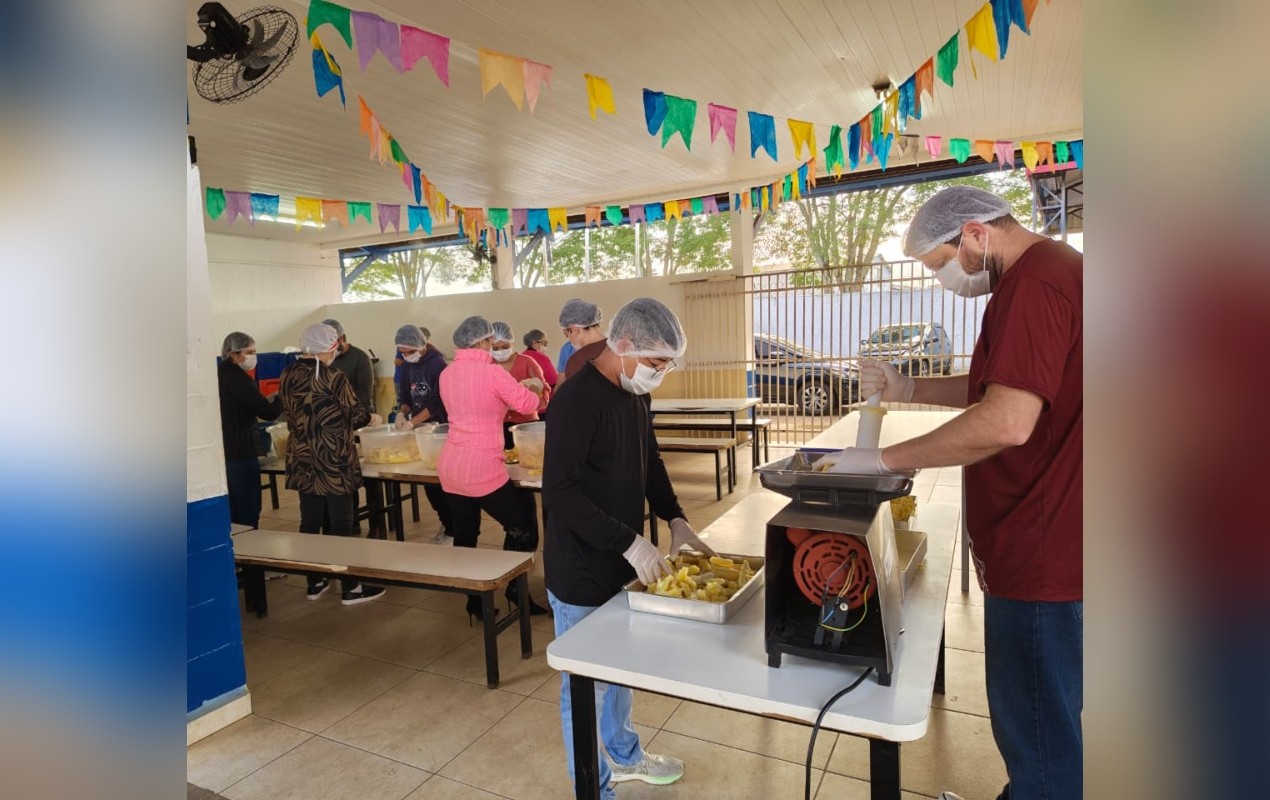
The city of Buri, located in the interior of São Paulo, Brazil, is celebrating its deep connection to cassava (known locally as mandioca, aipim, macaxeira, maniva, or uaipi) through its annual Expomandioca festival. This event highlights the root vegetable's importance not only as a food staple for millions of Brazilians but also as a symbol of tradition, culture, and income generation for many local families. The festival, which began in 2007, was initially conceived by the Municipal Department of Education to promote the traditional cassava fritter, a culinary icon of the region. Over the years, Expomandioca has grown into a significant gastronomic celebration, showcasing a wide array of dishes made from cassava. This year's festivities, held on Saturday, July 4th, at Praça de 9 de Julho, offered free entry, live music, and typical foods, with the entire municipal school community involved in its organization and preparation. The city's relationship with cassava dates back to the 18th and 19th centuries when it was a vital energy source for tropeiros (muleteers) traveling through the region. Cassava's ease of cultivation and resilience made it a staple during their journeys, eventually integrating into the local diet and identity. Today, cassava is still cultivated in rural properties and urban backyards, reinforcing its status as a municipal symbol, even though Buri is not among São Paulo's largest producers. The cassava fritter was officially declared a Cultural Heritage of the city in 2006, solidifying its place in Buri's heritage. The event also features other cassava-based delicacies like escondidinho, pizza, and soup, alongside cultural performances. The festival aims to foster integration among schools, families, and the community, translating local cultural knowledge into practical, participatory experiences.
The Expomandioca festival in Buri, Brazil, effectively leverages a local agricultural product, cassava, to foster cultural identity and economic activity. By elevating a traditional dish, the cassava fritter, to the status of a municipal heritage item, the event creates a unique selling proposition that attracts visitors and supports local producers. This approach demonstrates how cultural heritage can be a driver for community development and economic diversification, particularly in regions reliant on agriculture. The festival's organization, involving the entire municipal school system, also serves as an educational tool, reinforcing local traditions among younger generations while providing practical experience in event management and culinary arts. This model offers a sustainable pathway for preserving cultural practices while simultaneously stimulating local economies, showcasing a successful synergy between heritage, education, and commerce.
AI-generated to prompt reflection — not editorial opinion, not advice, not a statement of fact. How this works.