Burkina Faso aims to retain top high school graduates in national universities
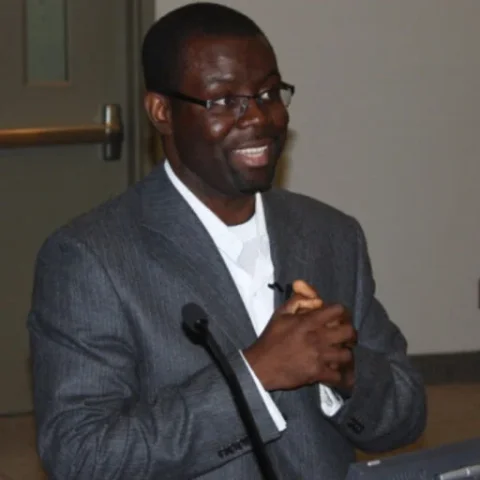
Burkina Faso's government has decided to keep its top high school graduates enrolled in national universities, marking a significant shift in higher education policy. Previously, academic excellence was often pursued through foreign universities. The current administration aims to reverse this trend, believing that top talent should be educated within Burkina Faso to directly contribute to national development. This initiative seeks to harness the country's brightest minds for its own progress. The decision reflects a strategic effort to build domestic capacity and foster a homegrown pool of skilled professionals. By investing in its own students, the government hopes to strengthen the nation's future workforce and drive innovation. This policy change underscores a commitment to prioritizing national interests and fostering self-reliance in higher education.
This policy shift by the Burkinabe government reflects a strategic imperative to cultivate domestic talent for national development, moving away from a historical reliance on foreign educational institutions. By incentivizing top graduates to remain within the country, the government aims to create a more robust local talent pool, potentially accelerating economic growth and technological advancement. However, the success of this initiative will depend on the quality and competitiveness of Burkina Faso's national universities. Ensuring these institutions can offer comparable educational experiences, research opportunities, and career prospects to international alternatives will be crucial. Failure to do so could lead to continued 'brain drain' despite the new policy, as ambitious students may still seek opportunities abroad. The long-term impact hinges on sustained investment in higher education infrastructure, faculty development, and the creation of a dynamic job market that can absorb and reward these highly skilled graduates.
AI-generated to prompt reflection — not editorial opinion, not advice, not a statement of fact. How this works.