Burkina Faso Bans Two Preachers, Citing Radical Remarks
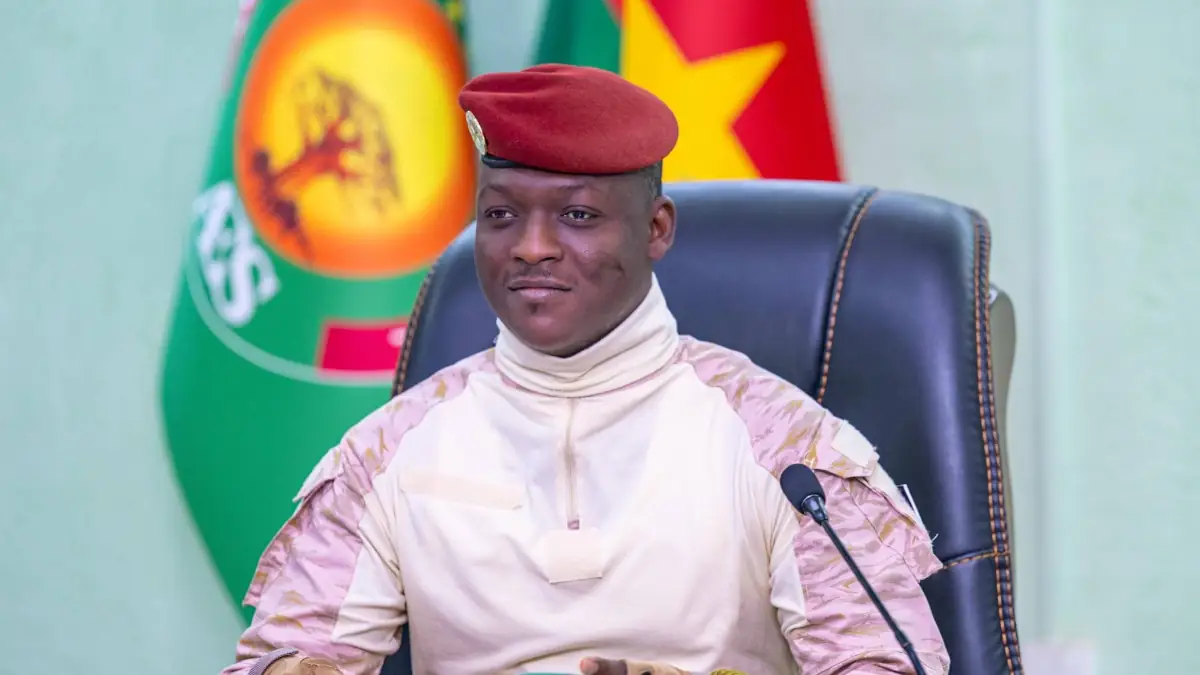
Burkina Faso has banned two religious figures, Omar Sankara and Idrissa Sawadogo, from all preaching, proselytizing, and religious teaching activities nationwide. The decision was announced on June 23, 2026, through two ministerial orders signed by Émile Zerbo, the Minister of State for Territorial Administration and Mobility. These prohibitions are effective until further notice. The government stated that the ban was imposed due to remarks deemed radical. This move places Burkina Faso alongside Morocco and Algeria in exercising governmental control over religious discourse. The specific nature of the radical remarks has not been detailed, but the action signifies a heightened governmental oversight of religious activities within the country.
The Burkinabe government's decision to ban specific religious figures, citing radical remarks, reflects a broader trend of state intervention in religious discourse across several nations. This approach aims to mitigate perceived threats to national security and social cohesion by controlling the narrative disseminated by religious leaders. However, such measures raise questions about the balance between state authority and freedom of religious expression. While governments have a legitimate interest in preventing incitement to violence or extremism, broad prohibitions can stifle legitimate religious practice and dissent. The long-term implications for religious pluralism and the potential for unintended consequences, such as driving such activities underground, warrant careful consideration as Burkina Faso navigates this policy.
AI-generated to prompt reflection — not editorial opinion, not advice, not a statement of fact. How this works.